

DHI Hair Transplant
in Turkey (2026)Book Free Consultant
Official Partner of Manchester City Football Club

DHI HAIR TRANSPLANT•
What is DHI Hair Transplant?
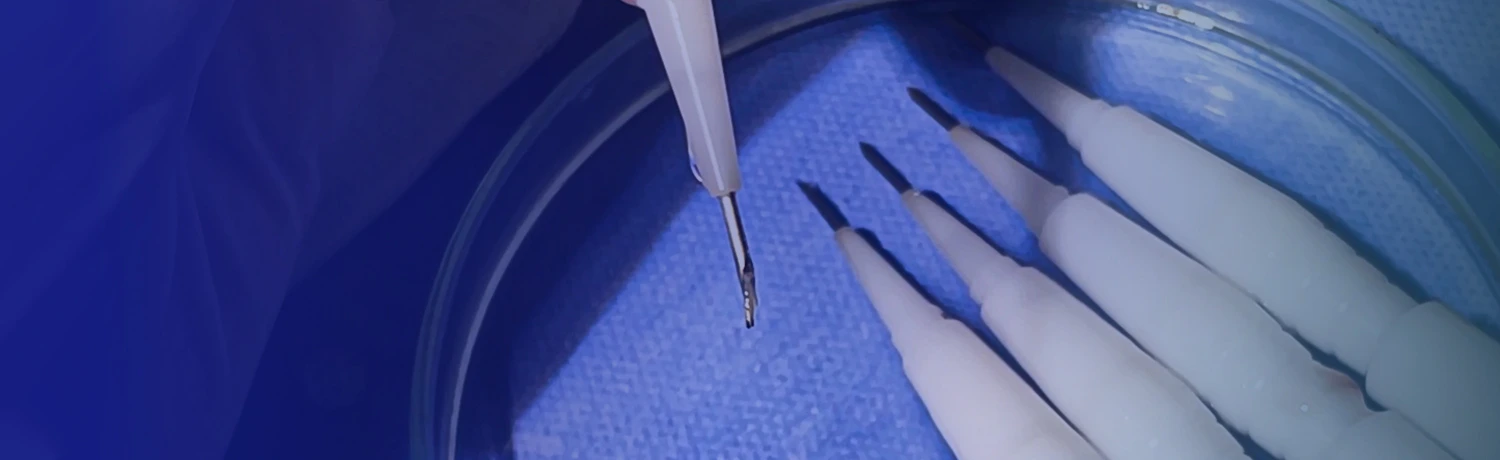
DHI (Direct Hair Implantation) is a hair transplant method where follicles are extracted from the donor area (usually the back/sides of the scalp) and implanted one-by-one using a pen-like implanter. The key benefit is implantation control: the surgeon can fine-tune angle, direction, and placement to match your natural growth pattern — which is especially useful for detailed hairline work and dense packing in selected zones. DHI can be a good option for patients with stable hair loss and a healthy donor area, and results develop gradually as transplanted hairs shed early and regrow over the following months. For a full Turkey package and cost comparison, see our main guide: hair transplant in Turkey.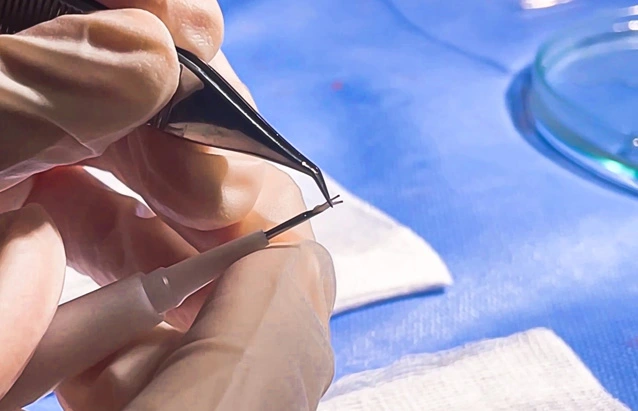
How is DHI Hair Transplant Applied?
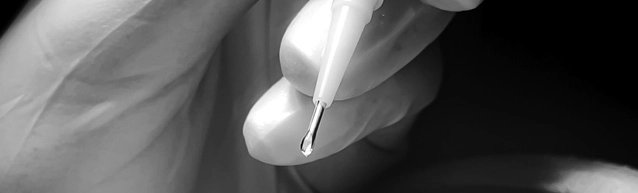
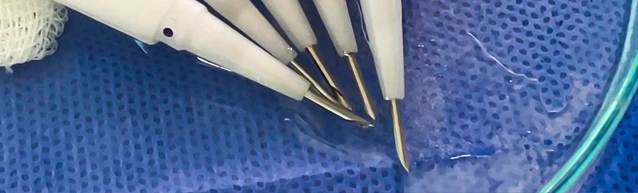
DHI follows the same core workflow as FUE (safe extraction from the donor area + implantation into thinning zones), but the difference is the implantation step: follicles are placed one-by-one using a pen-like implanter (often called a Choi implanter). After a doctor-led assessment and planning, the donor area is prepared and local anaesthesia is applied. Follicles are extracted carefully, then implanted directly with controlled depth, angle, and direction — which helps the grafts blend with your natural growth pattern, especially in detailed zones like the hairline. After the procedure, you receive aftercare instructions, washing guidance, and medication if needed. Most short-term effects (redness, mild swelling, sensitivity) improve steadily in the first days and weeks when aftercare is followed. For our full all-inclusive comparison and main Turkey guide, see: Turkey Hair Transplant.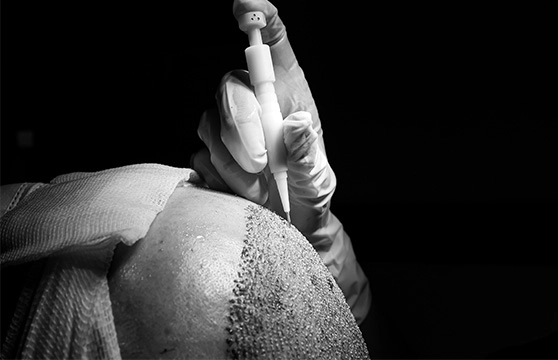

How Much Does DHI Hair Transplant Cost in Turkey?
DHI cost in Turkey depends on your graft plan and the complexity of your case (hair loss pattern, donor capacity, target zones, and whether density work is needed). When comparing clinics, focus on what is included: doctor-led planning, technique details, medications, aftercare, and follow-up — and if you are travelling, hotel and transfers can significantly affect the total. The most accurate way to estimate cost is a consultation with clear graft targets and a technique plan. For transparent package comparisons and what is typically included, visit our main guide: Turkey hair transplant cost.How does DHI Hair Transplant Work?
DHI (Direct Hair Implantation) is performed in clear stages, starting with a doctor-led consultation to confirm diagnosis, donor strength, and a realistic graft plan. On the surgery day, the procedure is done under local anaesthesia: follicles are extracted individually from the donor area (usually the back/sides of the scalp), then implanted one-by-one using a pen-like implanter to control depth, angle, and direction for natural blending. After the procedure, you receive detailed aftercare instructions (washing, sleeping, activity limits) and follow-up support. It’s normal for transplanted hairs to shed in the first few weeks (temporary shedding phase), then new growth typically begins over the following months, with results improving and maturing up to around 10–12 months.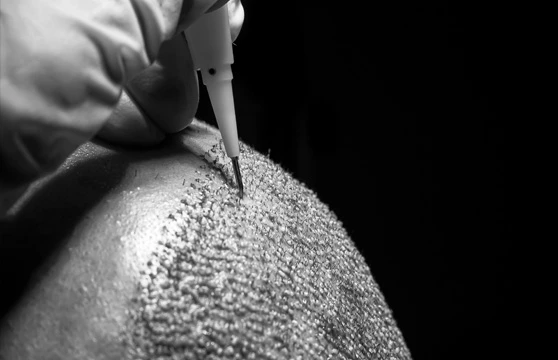
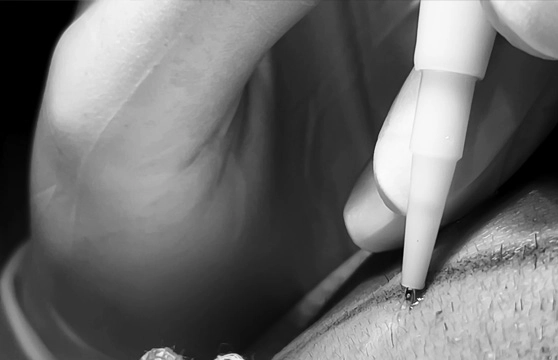
How is an DHI Hair Transplant Operation Performed?
Compared to older strip methods (FUT), DHI is considered minimally invasive because follicles are harvested individually rather than removing a strip of skin. After extraction, implantation is done with a specialised pen-like tool, allowing precise placement and control — which can be especially useful for detailed hairline work and selected dense-packing zones. Once implantation is complete, the clinic applies post-op care to protect the area and reduce infection risk, and you are guided through the recovery routine. Total procedure time varies by graft count and plan, but many cases take several hours in a single day.•
Get Your Hair Back with Best DHI Hair Transplant Surgery
At HWT Clinic, our DHI packages are designed for patients who want precise, natural-looking results with a doctor-led plan and clear, supportive aftercare. Your package typically covers consultation and surgical planning, the DHI procedure itself, and the guidance you need for a safe recovery — so you know what to expect from start to finish. We offer different package options to match different goals and coverage needs, while keeping the focus on medical standards, natural design, and long-term donor protection. If you’d like to compare packages or check availability for your preferred dates, contact us online or by phone and our team will guide you to the best option for your case.
Recovery After DHI Hair Transplant
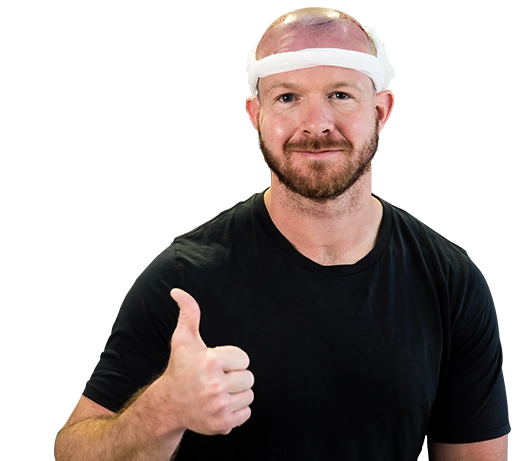
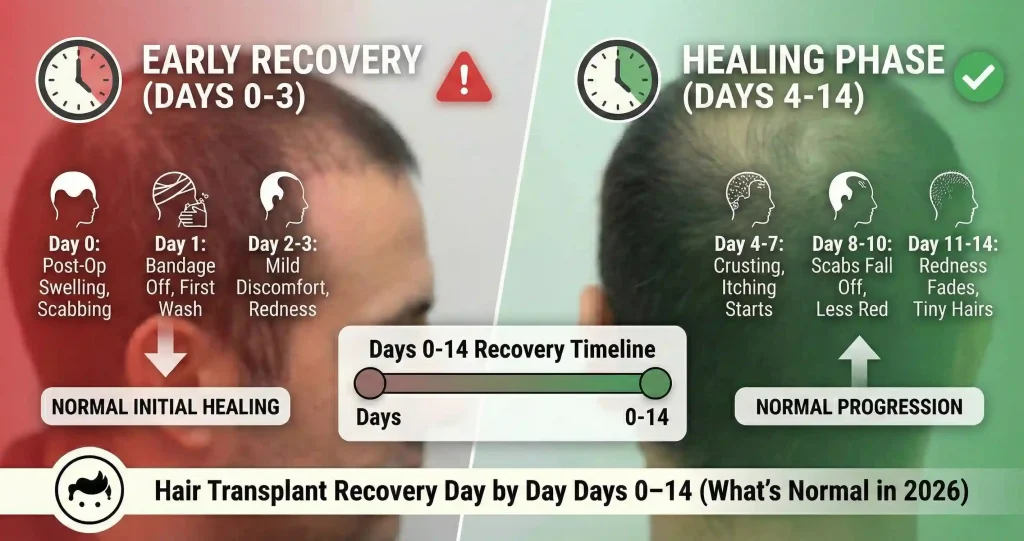
Recovery after DHI is usually straightforward, and many patients feel comfortable returning to normal daily routines within about a week — but the exact timeline depends on your skin sensitivity, the size of the treated area, and how closely you follow aftercare. In the first days, it’s normal to have mild redness, tenderness, and some swelling. Your surgeon will guide you on sleeping position, gentle washing, and how to protect the grafts while the scalp settles. Avoid direct sun, heavy sweating, smoking/alcohol, and harsh hair products in the early phase, because these can slow healing and irritate the recipient area. If you notice increasing pain, unusual discharge, spreading redness, fever, or anything that worries you, contact your medical team right away for advice.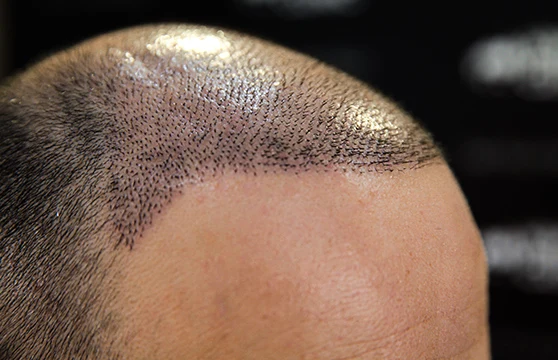
DHI Hair Transplant Care
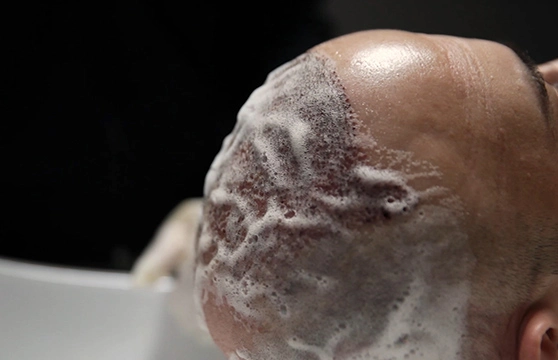
DHI requires careful planning and disciplined aftercare because the goal is not only growth, but natural direction and density. Before surgery, a doctor-led assessment confirms diagnosis, donor safety, and a realistic graft plan. On the day, your team monitors you throughout the procedure, and you’ll leave with clear instructions for cleaning, medication use, and protecting the implanted area. After surgery, attend follow-ups, keep the scalp clean with gentle washing techniques, avoid scratching or pressure on the grafts, and follow the recommended routine for activity and sleeping. With the right care, the scalp heals predictably and the transplanted hairs shed early and regrow gradually over the following months.After Care•
DHI Hair Transplant After Care
 01
01After The First Month
The first days and weeks after a DHI should be kept calm — avoid strenuous activity or anything that could bump, rub, or put pressure on the scalp. Stay out of direct sunlight and follow the aftercare plan your medical team gives you. Around the first couple of weeks, transplanted hairs may shed (this is expected) and it makes room for new growth that usually starts appearing in the following weeks. Mild redness or swelling can happen early on, but if redness becomes pronounced, pain increases, or you notice unusual discharge, contact your clinic for advice. For washing, follow your clinic’s protocol — in most cases, gentle rinsing starts after the first couple of days using warm water and no rubbing. 02
02After Three Months
After the three-month mark, early new hairs are usually starting to appear. Use a mild shampoo and wash gently in the direction of hair growth, then pat dry (don’t rub). Avoid scratching with fingernails and keep protecting the scalp from sun and impact. By six months, growth is typically stronger and more visible as hairs thicken and mature. Continue any scheduled follow-ups and stick to a simple routine: gentle washing, scalp protection, and healthy habits that support healing. 03
03After One Year
By one year, many patients see a noticeable improvement in density and overall coverage, but maturation can continue up to 12–18 months depending on the treated area, your baseline hair characteristics, and how the scalp healed. Keep good hygiene to prevent buildup of oil and debris, maintain a regular washing routine, and ask your clinic (or your barber) for product suggestions that won’t irritate the scalp. Protecting native hair and managing future thinning is also part of long-term planning, so it’s worth checking in if you notice ongoing hair loss. 04
04How to Wash Hair After DHI Hair Transplant
For the first couple of days, avoid washing unless your clinic instructs otherwise. After that, rinse gently with warm (not hot) water and pat dry — no rubbing. When your clinic says it’s safe, introduce a mild shampoo and wash in the direction of hair growth. If you massage the scalp later on, do it slowly and gently. The goal is to keep the area clean while protecting grafts during the early healing phase, so always follow the exact timeline and method your medical team provides.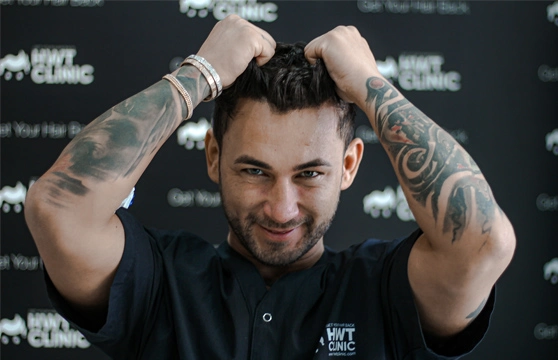
Advantages of DHI Hair Transplant
DHI can be a strong option for patients who want a natural-looking result with precise placement — especially in detailed areas like the hairline. Because follicles are implanted one-by-one with an implanter pen, the surgeon can control angle, direction, and depth for a more refined finish. Many patients also prefer DHI because it can be comfortable under local anaesthesia and typically involves minimal visible scarring when performed correctly. As with any transplant, results build gradually over months (not instantly), and the best outcomes depend on donor quality, realistic planning, and good aftercare. Clinics often offer different package options and payment plans, but the most important factor is choosing a medically-led team and a safe, transparent process.Who is a Good Candidate for DHI Hair Transplant?
Good candidates for DHI (Direct Hair Implantation) are usually patients with stable pattern hair loss affecting areas like the hairline, temples, or crown — and, most importantly, a healthy donor area at the back and sides of the scalp. DHI works best when there is enough donor density to build a realistic graft plan, and when the patient is medically suitable for a procedure under local anaesthesia. It can be a strong choice for people who want precise implantation control (angle/direction) for natural-looking design, and for those who can follow aftercare carefully during the first weeks of healing. Suitability is always confirmed with a doctor-led assessment that checks donor safety, hair characteristics, and long-term planning.

Who is Not a Good Candidate for DHI Hair Transplant?
DHI may not be suitable if hair loss is not stable, if donor supply is weak, or if the diagnosis suggests surgery won’t be effective. For example, ongoing diffuse thinning that also impacts the donor zone, certain scarring alopecias, or very limited donor density can make it difficult to achieve a safe and natural result. Temporary shedding related to stress or illness may improve without surgery, so a proper medical evaluation matters. Some medical conditions, medications, bleeding/healing risks, or unrealistic expectations can also exclude eligibility. That’s why a responsible clinic confirms diagnosis, donor protection, and a long-term plan first — and only proceeds when the case is medically appropriate.DHI HAIR TRANSPLANT•
Best DHI Hair Transplant in Istanbul
HWT Clinic is known in Istanbul for doctor-led hair restoration with a strong focus on natural design, donor safety, and structured aftercare. Every plan starts with a medical assessment to confirm suitability, graft strategy, and realistic expectations — then the procedure is carried out in a licensed medical setting with an experienced team supporting you throughout the day. We keep the experience simple for international patients with clear guidance, optional travel support (hotel + transfers), and follow-up care so you’re not left guessing during recovery. If you want to compare techniques and what’s included in Turkey packages, see our main guide: hair transplant in Turkey.YOU CAN FIND ANSWERS TO YOUR QUESTIONS•
Frequently Asked Questions
It is not correct to say that any of the FUE or DHI hair transplantation techniques is better. There are points where both techniques differ and are more useful. There are seem differences affects to individual in both techniques that are FUE or DHI. The best candidates for FUE hair transplant are generally people who have experienced, or are concerned about developing hair thinning or loss on the top if the head and the areas nearer the front, hairline and crown. Suitable people should ideally have plenty of healthy donor hair on the back of the head. This gives the surgeon more options to extract and regraft healthy hair follicles, leading to better FUE hair transplant results. DHI hair transplant best candidates are generally people who have experienced hair loss, thinning or baldness on the top, crown or hairlines on their head, but still has enough donor hair elsewhere for the surgery. The process works well for people seeking both DHI long hair solutions and shorter hairstyle options. Conditions that can be significantly addressed include alopecia areata and male pattern baldness. Candidates should also be over 25 years old and not suffering from extreme stress or trauma-related conditions, such as PTSD.
DHI requires using a specialized tool referred as a Choi pen or implanter pen that can remove single follicles of hair coming from the donor site and then directly transplant them within the recipient's site. The capacity to precisely manage the dimension, direction, and path of hair insertion with this procedure can result in higher graft success rates and enhanced overall appearances.
In the DHI treatment, hair strands are each singly transplanted inside the thinning part utilizing a specially designed pen instrument. So, expenses increase because as a consequence of the DHI procedure's pen expenses, the specially trained team's specialization, and the tailored solution.
Unlike some other hair transplantation processes, DHI does frequently demand a a full shave of the recipient's location. One of the advantages frequently linked with DHI is having the ability of preventing major shaving. It's essential to keep in mind that the volume of shaving that becomes required can differ depending upon parameters like the quantity of grafts that are put in and the amount of density of the existing hair. For the sake of appropriate placement, it can continue to be essential to shave a small piece of the intended recipient's region.
Yes, DHI is well-known to generate consequences that the appear natural. This technique allows fine control over the depth, direction, and positioning of hair, improving the ultimate esthetic output. A more natural-looking hairline can be achieved by controlling both the direction and angle of locks insertion. For the purpose of prevent an abrupt or unnatural look, the surgeon could perform a gentle and smooth transition through the newly transplanted hair to the surrounding area.
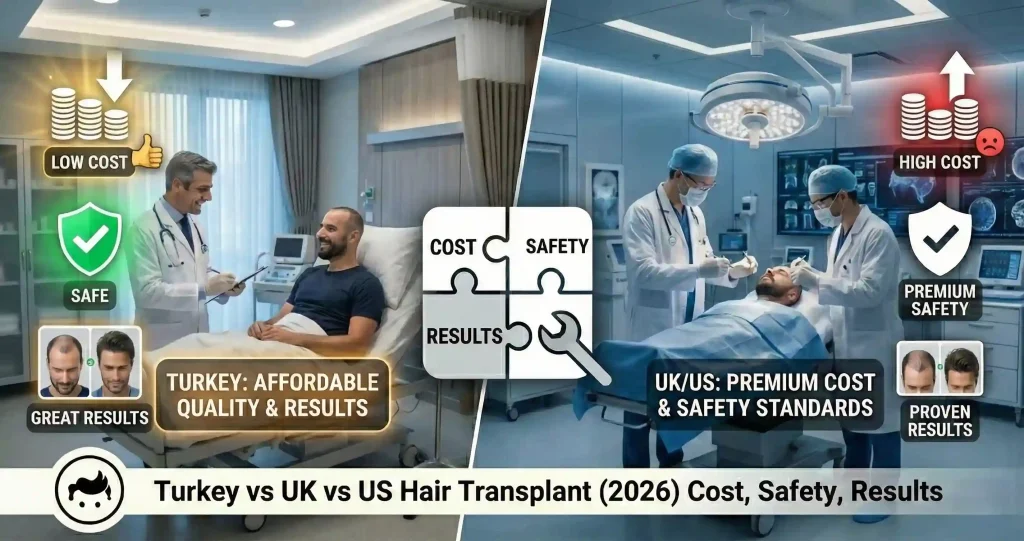
The cost of a DHI transplant entirely relies on the special features of each patient, such as the seriousness of their hair loss, the extent of the treated areas, and the number of scales that the surgical procedure is necessary. The cost of the operations as a whole comprises both the surgery and any additional medical costs. In addition, don't forget to account for lodging, transportation (including taxis and flights), follow-up treatment, and medication.
HWT Clinic's Blog
Welcome to HWT Clinic's Blog!
HWT CLINIC•
Start Your Dhi Hair Transplant Journey
Start your dhi hair transplant journey with HWT Clinic
For more information, please contact us today to arrange an initial, no-obligation consultation. We look forward to meeting you and to helping you restore your hair and your confidence through our technologically advanced dhi hair implant techniques.
For more information, please contact us today to arrange an initial, no-obligation consultation. We look forward to meeting you and to helping you restore your hair and your confidence through our technologically advanced dhi hair implant techniques.