



Avoiding certain habits after your procedure is necessary because they can interfere with healing, increase swelling, irritate the scalp, or disturb newly implanted grafts. When selecting a clinic, it is important to understand the full aftercare included in Turkey hair transplant packages, as professional guidance on what to avoid—from physical activity to sleeping positions—is critical for helping follicles settle and recover properly in 2026.
[Image of hair transplant aftercare instructions and patient recovery guide]
Turkey hair transplant aftercare should be designed to support proper healing of both the donor and recipient areas. Following aftercare instructions can reduce the risk of complications such as infection, bleeding, irritation, or graft trauma. Your individual requirements may vary depending on your medical history, technique, graft count, and healing speed, which is why structured follow-up is important.
If you want to understand how these restrictions fit into the full healing process, you can also review our hair transplant recovery timeline and our hair transplant recovery day-by-day guide.
[Image of sleeping position after hair transplant showing elevated head]
Driving a vehicle requires concentration, head movement, and physical alertness, which may not be ideal immediately after surgery. If you received sedation, local anesthesia, or post-op medication, you should not drive yourself after the procedure.
Alternatives: Use your clinic’s transfer service, a taxi, ride-sharing service, or ask a companion to drive you until your medical team confirms it is safe.
Failing to follow medication instructions after a hair transplant can increase the risk of side effects, stomach irritation, poor pain control, and infection. Always follow the dosage, timing, and duration given by your clinic for antibiotics, painkillers, anti-swelling medication, gastric protectors, or other prescribed treatments.
You should not mix medications, skip doses, or use blood-thinning painkillers unless your doctor approves them. For more detail, review our guide on post-op medications after hair transplant.
Sleeping completely flat too early can increase fluid accumulation around the forehead and eyes. It may also increase the risk of accidentally rubbing the recipient area against the pillow.
For the first days, sleep with your head and upper body elevated at around a 45-degree angle. A travel neck pillow can help keep your head stable and reduce unwanted side movement. For detailed positioning instructions, read our guide on sleeping after hair transplant.
Cold compresses may help reduce swelling when used correctly, but they should never be applied directly onto the transplanted grafts. If your clinic recommends cold application, use it only on the forehead or surrounding areas and follow the timing instructions carefully.
Incorrect use of ice can irritate the skin or reduce blood flow if applied too aggressively. Always follow your clinic’s swelling protocol rather than applying ice directly to the scalp.
Dehydration can make the body feel weaker and may contribute to dryness, fatigue, or slower general recovery. Drinking enough water helps support circulation and overall healing after surgery.
Your clinic may provide specific hydration guidance depending on your medical profile. Avoid replacing water with alcohol, excessive caffeine, or sugary drinks during the early recovery period.
Sleeping face down should be avoided during early recovery because it can create direct pressure and friction on the recipient area. This is especially risky if grafts were placed in the hairline, temples, or crown.
Sleep on your back with your head elevated until your clinic confirms that the grafts are stable enough for normal sleeping positions. If you had crown grafts, sleeping precautions may be even more important because the crown can easily touch the pillow.
The scalp is sensitive after a hair transplant and can be more vulnerable to UV irritation, dryness, redness, and pigmentation changes. Direct sun exposure should be avoided during the early healing phase.
If you need to go outside, ask your clinic when you can safely use a loose hat and when sunscreen is appropriate. Tight hats or pressure on the recipient area should be avoided until your medical team clears you.
[Image of sun protection for scalp after hair transplant]
Avoid helmets, tight caps, headbands, or any sports equipment that creates friction or pressure on the scalp. These items can irritate scabs, increase sweating, and disturb the recipient area.
Light walking may be allowed early, but strenuous sports, gym training, cycling helmets, football helmets, or other headgear should wait until your clinic confirms that your scalp has healed enough.
Temporary shedding after a hair transplant is common and can be psychologically difficult if you are not expecting it. This phase is known as shock loss after hair transplant.
During shock loss, the visible hair shaft may fall out while the follicle remains beneath the skin. Understanding this phase helps prevent unnecessary panic and keeps you consistent with your aftercare routine.
Direct ice application to the recipient or donor area should be avoided unless your clinic specifically instructs otherwise. Cold temperatures can irritate the healing skin and may affect blood flow if applied too strongly or for too long.
If swelling control is needed, use only the method, area, and timing recommended by your medical team.
Freshly transplanted follicles are delicate during the first days. Scrubbing, rubbing, high-pressure shower water, or harsh shampoo can irritate the scalp and disturb scabs.
Most clinics recommend a controlled washing routine using lotion, foam shampoo, and gentle rinsing. You can follow the full process in our how to wash hair after transplant guide.
Avoid hair gel, wax, styling creams, sprays, blow dryers, straighteners, and other heat-styling tools during the early healing period. These products and tools can irritate the scalp, dry the skin, or increase inflammation.
Use only the shampoo, lotion, or foam recommended by your clinic until the scalp has healed and your medical team confirms it is safe to return to normal styling.
Hair dye contains chemicals that can irritate the healing scalp and increase dryness, redness, or inflammation. Coloring the hair too early may also make it harder to monitor healing properly.
Many clinics advise waiting several weeks before coloring, but the exact timing should depend on your scalp condition and your doctor’s approval.
High-impact exercise can increase blood pressure, sweating, and heat around the scalp. This may worsen swelling or irritate the healing skin during the early recovery phase.
Walking is usually safer than intense training in the first days. Running, heavy lifting, HIIT, sauna, swimming, and contact sports should be avoided until your clinic clears you. For a full recovery schedule, review our hair transplant recovery timeline.
Smoking can affect blood circulation, and alcohol can increase dehydration and interact with medication. Both can interfere with the body’s ability to heal efficiently after surgery.
For best recovery, avoid smoking and alcohol during the early healing phase and follow your clinic’s exact instructions about when it is safe to resume.
Excess sweating can irritate the scalp, soften scabs unevenly, and increase discomfort during the first days. Avoid hot environments, saunas, steam rooms, spicy foods, and strenuous activity during early recovery.
Wear loose, breathable clothing and keep your environment cool. If you sweat heavily by accident, contact your clinic for guidance before washing or touching the scalp aggressively.
Poor nutrition can contribute to inflammation and may not support optimal tissue repair. During recovery, focus on balanced meals with lean protein, vegetables, fruits, healthy fats, and enough water.
You do not need a complicated diet, but avoiding excessive fast food, high sugar intake, and heavy alcohol can support your general healing process.
Sexual activity can increase heart rate, sweating, and blood pressure. During the earliest recovery days, this may contribute to swelling or accidental contact with the grafts.
Many clinics recommend avoiding sexual activity for around 7 to 10 days, but your exact timeline should follow your clinic’s instructions and your healing progress.
Hair transplant surgery involves moving follicles from a donor region to a recipient site. The goal is to restore thinning or bald areas using safe medical planning, careful extraction, and precise implantation. The final outcome depends on surgeon experience, donor capacity, technique, graft handling, and post-surgery care.
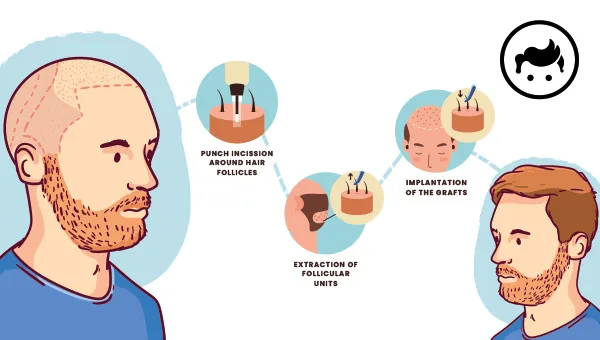
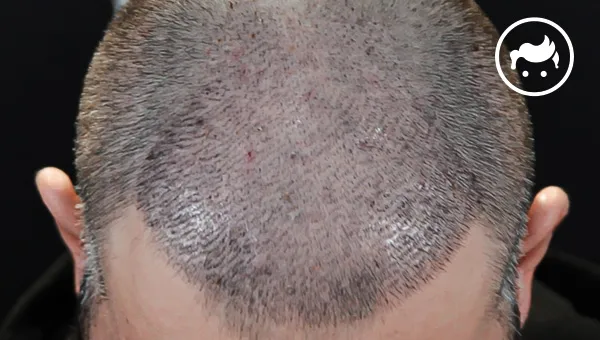
Around 10 to 14 days after surgery, scabs usually soften and begin to clear with correct washing. Some patients may also begin to notice early shedding in the following weeks. This is often part of the recovery process rather than a sign of failure.
To understand the difference between early scab removal, graft protection, and later shedding, review our hair transplant recovery day-by-day guide and our shock loss after hair transplant guide.
To make sure you have the guidance, medications, and support needed during recovery, start by reviewing our transparent hair transplant cost in Turkey packages.
Contact our medical experts via WhatsApp to begin your journey with a structured, safe plan.

You are just one step away from getting a completely free medical analysis.
Close windowWhich image best describes your current hair loss? Or use Voice Input.
Your age helps us determine the stability of your donor area.
At your age (18-23), hair loss is likely still progressing. We highly recommend preventative medical treatments.
Get Info on TreatmentsHave you ever had a hair transplant before?
Do you have any of the following health conditions?
Calculating graft density and hairline design.
Estimated Graft Need
🏆 Highly Recommended: VIP
We strongly recommend the VIP Package as it includes sedation/anesthesia, ensuring a completely comfortable and painless procedure.
📸 Please prepare these 3 photos for the doctor (Front Area, Top Crown, Back Donor):