



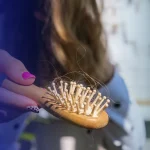
Experiencing sudden hair shedding a few weeks after your surgery can be highly distressing. Many patients panic and assume their procedure has failed. However, this temporary shedding—medically known as shock loss or telogen effluvium—is often part of the normal recovery process after scalp trauma. Understanding why this happens is essential for anyone evaluating Turkey hair transplant packages, because knowing the timeline can give you peace of mind during recovery in 2026.
This clinical guide focuses exclusively on the shock loss phase: why it can happen to both transplanted and native hairs, when it usually starts, how long it may last, and how careful aftercare and surgical planning can help reduce unnecessary stress on the scalp.
Shock loss is a temporary shedding phase where hair follicles enter the resting phase, also known as telogen, earlier than expected and shed their visible hair shafts. The trauma of surgery, local anesthesia, temporary blood supply changes, and inflammation can all contribute to this reaction.
It is important to understand that in most cases, the visible hair shaft falls out, while the follicle remains beneath the skin. New hair can then begin growing again in the coming months as the follicle re-enters the growth phase.
While every patient heals at a slightly different pace, the shedding phase often follows a predictable pattern. For a broader look at your overall healing, you can also review our complete hair transplant recovery timeline.
The severity of shock loss, especially shock loss affecting existing native hair, can be influenced by the surgical techniques used, graft handling, implantation angle, and how much trauma the scalp experiences during surgery.
At HWT Clinic, the FUE hair transplant method is used strictly for safe extraction of grafts from the donor area. To place the grafts, the DHI hair transplant method with a Choi Pen can be used when suitable. Unlike channel-opening methods, DHI can place grafts directly without creating pre-made channels first, which may help reduce unnecessary trauma in areas where native hair still exists.
This is especially important when adding density between existing hairs, because weak native hairs are more sensitive to surgical stress. If you want to understand how direct implantation differs from channel-opening methods, our DHI vs Sapphire FUE guide explains the technical comparison in more detail.
You cannot always prevent the normal shedding of transplanted hair shafts, but you can support the healing process and protect vulnerable native hair by following a doctor-led aftercare plan.
Shedding without bleeding is usually part of the normal process. However, you should contact your medical team if you notice increasing pain, pus, strong odor, fever, severe swelling, active bleeding, or sudden worsening symptoms. For a broader overview of normal and abnormal symptoms, review our guide on hair transplant side effects.
In most cases, no. Shock loss is usually a temporary shedding phase. The visible hair shaft falls out due to surgical stress, but the follicle often remains beneath the scalp. New hair typically begins to regrow from these follicles around months 3 to 4, although timing can vary between patients.
You usually cannot prevent the shedding of newly transplanted hair shafts entirely because it is part of the normal growth cycle after transplantation. However, careful surgical technique, proper aftercare, gentle washing, and doctor-approved medications may help reduce unnecessary stress on existing native hair.
Shock loss usually involves hair shafts shedding without active bleeding. If a graft is truly dislodged during the first days after surgery, it is often accompanied by fresh bleeding from that exact spot. If you see a dry scab or hair shaft without bleeding, it is usually not a lost graft. If you are unsure, send a clear photo to your clinic for confirmation.

You are just one step away from getting a completely free medical analysis.
Close windowWhich image best describes your current hair loss? Or use Voice Input.
Your age helps us determine the stability of your donor area.
At your age (18-23), hair loss is likely still progressing. We highly recommend preventative medical treatments.
Get Info on TreatmentsHave you ever had a hair transplant before?
Do you have any of the following health conditions?
Calculating graft density and hairline design.
Estimated Graft Need
🏆 Highly Recommended: VIP
We strongly recommend the VIP Package as it includes sedation/anesthesia, ensuring a completely comfortable and painless procedure.
📸 Please prepare these 3 photos for the doctor (Front Area, Top Crown, Back Donor):