

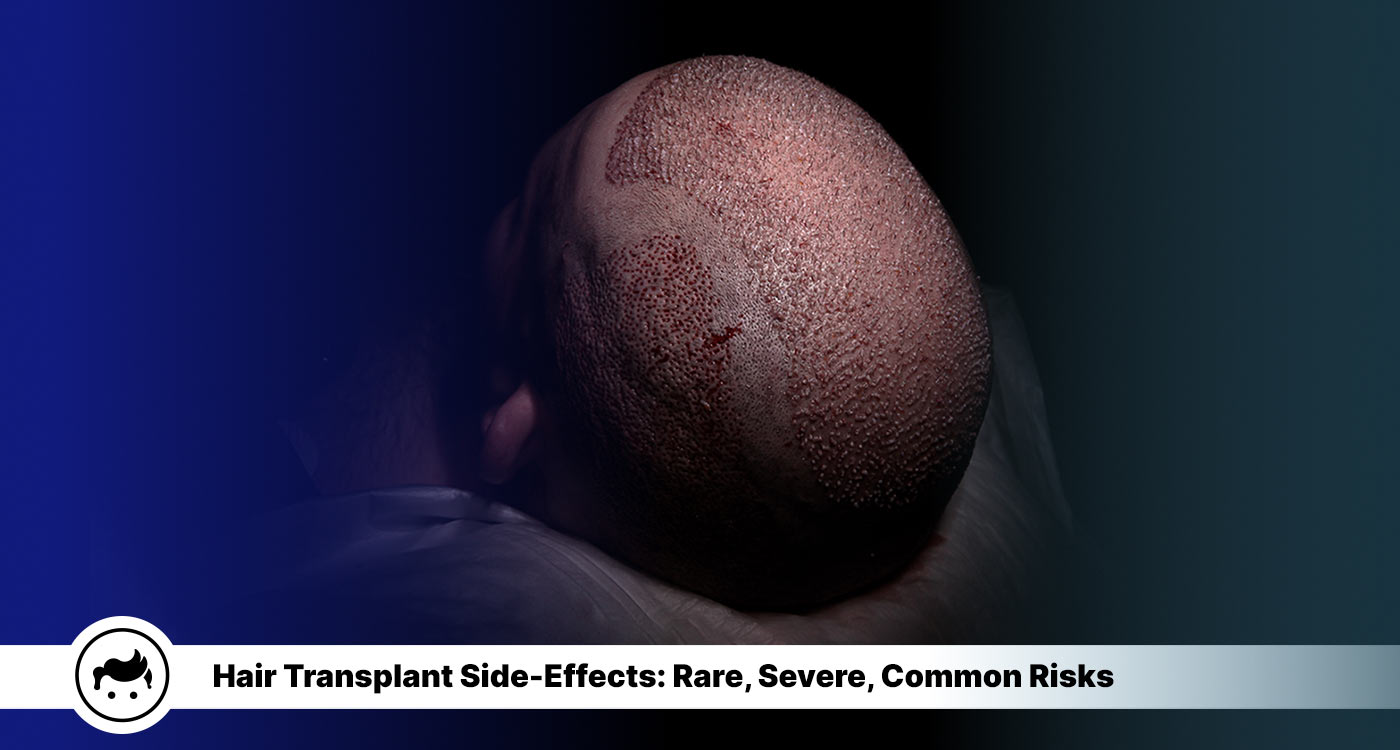

While hair restoration is a safe and effective procedure, understanding hair transplant Turkey safety standards is essential for any patient wanting to minimize risks and ensure an informed decision-making process in 2026. Knowing the potential side effects helps individuals determine if the surgery is right for their specific hair loss needs.
According to the National Library of Medicine, complications are rare due to the scalp’s strong blood supply, which promotes quick healing. Potential issues include edema (5% of cases), minor bleeding (0.5%), and infection (less than 1%). Most complications are self-limited and managed with simple care.
While most side effects are temporary, it is important to recognize them during your recovery:
Immediate bleeding is common shortly after the procedure due to the trauma of instruments. Delayed or continuous bleeding is rare and usually indicates a damaged vessel or issues with clot breakdown. Factors like the technique used (FUE vs. FUT) influence the likelihood of bleeding.
Known as “shock loss,” this affects approximately 10-15% of cases. It involves the temporary shedding of hair follicles due to physical stress. Most follicles remain intact, and new growth typically begins within 2 to 3 months. The Norwood Scale helps surgeons predict these patterns with greater accuracy.
Infections like folliculitis or cellulitis can occur due to contaminated instruments or improper aftercare. Maintaining high hygiene standards and following post-operative protocols are the best ways to prevent these rare risks.
The traditional FUT method often results in a linear scar, while the FUE method creates tiny, circular scars that are easily hidden by short hair. Skilled surgeons use refined extraction techniques to minimize visual impact.
| Technique | Primary Side Effects | Healing Characteristics |
|---|---|---|
| FUE | Minor swelling, itching, temporary shock loss. | Faster healing, minimal circular scarring. |
| FUT | Higher pain risk, linear scarring, longer numbness. | Requires sutures, more invasive. |
| PRP | Mild scalp pain, temporary dizziness, irritation. | Non-surgical, very quick recovery. |
To ensure a safe outcome, follow these essential precautions:
Success rates are generally high, with 90-95% of grafted hair remaining in good condition. Patient satisfaction scores average around 8.3 out of 10 after three years.
The surgery itself is relatively painless due to local anesthesia. Most patients only experience mild tightness or itching afterward, which is easily managed with over-the-counter medication.
If you want a realistic assessment and a procedure that follows the highest clinical standards, start with our transparent package breakdown here: https://www.hwtclinic.com/hair-transplant-cost-in-turkey/
Contact our medical team via WhatsApp to get started with your personalized consultation.


Which image best describes your current hair loss?
Your age helps us determine the stability of your donor area.
At your age (18-23), hair loss is likely still progressing. We highly recommend preventative medical treatments.
Get Info on TreatmentsHave you ever had a hair transplant before?
Do you have any of the following health conditions?
Estimated Graft Need
🏆 Highly Recommended: VIP
We strongly recommend the VIP Package as it includes sedation/anesthesia, ensuring a completely comfortable and painless procedure.
📸 Please prepare these 3 photos for the doctor (Front Area, Top Crown, Back Donor):