



The world of celebrity is often built around appearance, public image, confidence, and recognisable style. When hair loss or thinning becomes visible, public figures may face the same emotional questions as anyone else: should they accept the change, use styling or hair systems, try medication, or consider surgical restoration?
Celebrity hair transplant stories attract attention because people want to understand what natural results can look like, how hairlines change over time, and why some transformations appear subtle while others look obvious. However, it is important to be careful: not every celebrity hair transformation is medically confirmed. Some celebrities have openly discussed their procedures, while others are only the subject of media reports, public speculation, or before-and-after comparisons.
This guide reviews well-known celebrity hair transplant examples and the lessons patients can take from them when considering a modern hair transplant in Turkey.

Hair transplants may be chosen for different reasons: restoring a receding hairline, increasing density, improving confidence, maintaining a youthful appearance, or correcting previous hair loss. For actors, singers, presenters, athletes, entrepreneurs, and public figures, hair can be part of their personal brand.
But celebrity results should not be copied blindly. A natural hair transplant depends on donor capacity, hair thickness, hairline design, graft number, implantation angle, density planning, future hair loss risk, and aftercare. Two people can receive the same number of grafts and still achieve very different outcomes.
If you are researching celebrity-style results, it is better to focus on medical planning rather than simply asking where famous people go. Our guide on hair transplant density explains why natural coverage is not only about graft numbers.
Important note: This article discusses public statements, media reports, and widely discussed transformations. It is not a medical diagnosis of any celebrity. Unless a person has publicly confirmed a procedure, their case should be treated as reported or speculative.
Before-and-after photos can be helpful, but they can also be misleading. Lighting, hair length, styling products, camera angle, wet versus dry hair, hair fibres, wigs, hair systems, medication, PRP, and simple styling changes can all affect the appearance of density.
Instead of judging results only by photos, patients should ask:
If you want to understand how long results usually take to mature, review our hair transplant recovery timeline.
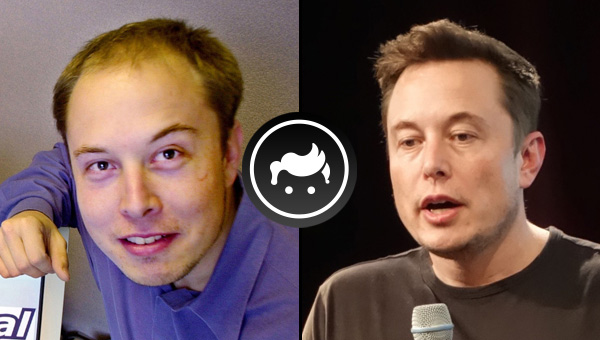
Elon Musk is one of the most frequently discussed examples in online hair transplant conversations because his hairline and density appear very different in older photos compared with more recent public appearances. Many media outlets and commentators have speculated that he may have undergone hair restoration, although detailed medical confirmation has not been publicly provided.
The lesson from this kind of transformation is not to focus only on the celebrity name. The important medical points are hairline design, long-term density planning, and donor area management. If a patient has a receding hairline, the goal should be a natural, age-appropriate result rather than an overly aggressive hairline.
If your main concern is a receding hairline, our receding hairline transplant Turkey guide explains how hairline planning is evaluated.
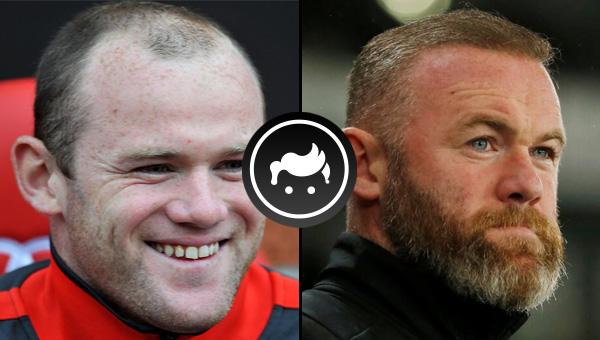
Wayne Rooney is one of the better-known public examples because he has openly discussed his hair transplant journey. His case is often mentioned because he began losing hair at a young age and chose surgical treatment relatively early.
Young patients require careful planning because hair loss may continue for years after the first procedure. If the hairline is placed too low or too many grafts are used too early, donor supply may become a problem later. This is why long-term planning matters more than simply filling the visible area quickly.
Our guide on hair transplant in your 20s explains why young patients need conservative planning, future hair loss assessment, and donor protection.
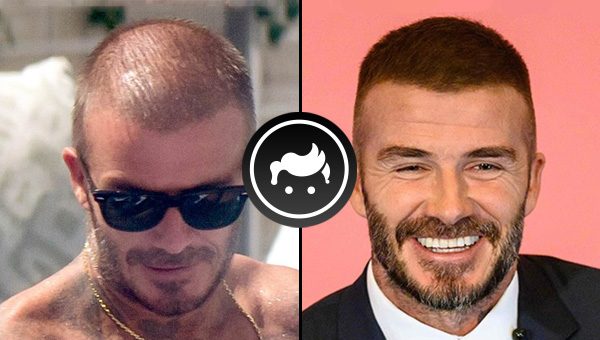
David Beckham has often been included in media discussions about celebrity hair transplants because of changes in his hair appearance over the years. However, public discussion should be treated carefully unless a procedure is confirmed by the person directly.
For patients, the useful lesson is that hair styling, hair length, density, and natural hair characteristics can dramatically change how hair loss appears. Some people may look thinner under harsh lighting and fuller with different styling, while others may genuinely benefit from restoration.
Before assuming surgery is needed, patients should first understand the cause and stage of their hair loss. Our how many grafts do I need guide explains how graft planning begins.
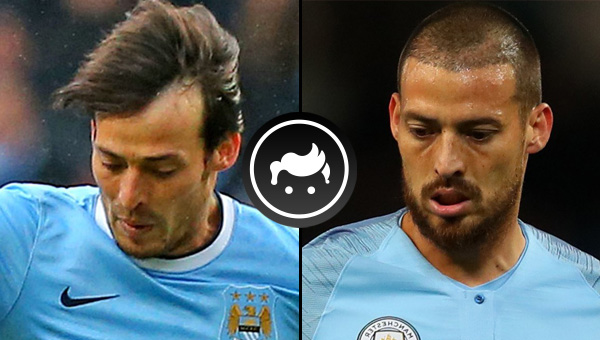
David Silva has also been discussed online after visible changes in hairstyle and hair coverage. As with many public figures, it is important not to treat photo comparisons as medical proof. Hair length, shaving, styling, and lighting can all change the appearance of density.
For athletes, practical hairstyles such as short cuts can make thinning more visible, while later styling changes can make the hair appear fuller. If crown or mid-scalp thinning is present, treatment planning may differ from frontal hairline restoration.
If your concern is crown thinning, review our crown area hair transplant Turkey guide.
Jamie Laing has been reported as one of the public figures who chose hair restoration after concerns about a receding hairline and appearance on television. His case is often discussed because it shows how hair loss can affect confidence even when the person is young and highly visible in the media.
Not every early recession requires immediate surgery. A proper consultation should evaluate whether the hair loss is stable, whether medication or supportive treatment may help, and whether the patient has realistic expectations.
For patients comparing treatment options before surgery, our hair loss treatments for men guide explains medications, PRP, laser support, lifestyle factors, and when transplant may become more realistic.
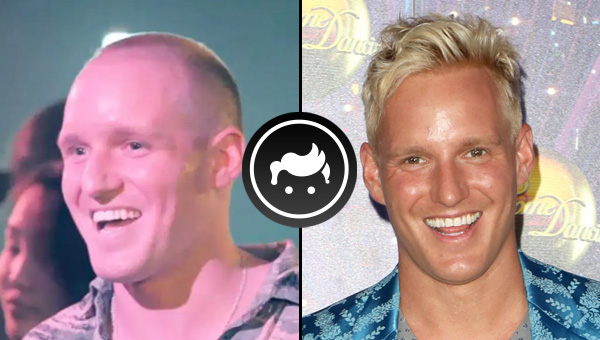
Lewis Hamilton is often mentioned in online hair transplant discussions, but he has publicly denied having hair transplant surgery. This makes his case useful for a different reason: it shows why speculation based only on appearance can be unreliable.
Hair can appear thicker because of styling, hair care, hair length, product use, lighting, health changes, or non-surgical support. Patients should not assume that every fuller-looking celebrity result is surgical.
If you are unsure whether you need medical treatment, PRP, hair care changes, or surgery, our broader hair treatments guide can help you compare the main options.
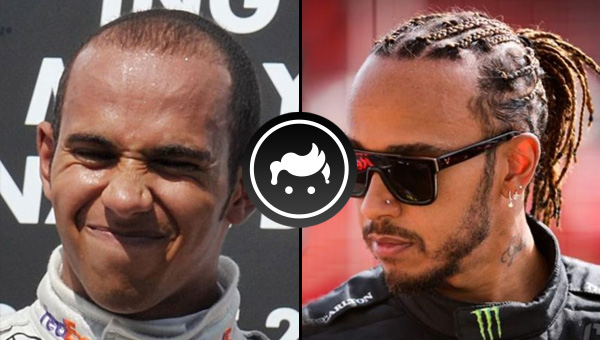
Elton John has spoken publicly about his hair loss journey, including attempts at hair restoration and later use of hair systems or wigs. His case is important because it shows that not every transplant, especially older procedures, produced the kind of natural results patients expect today.
Modern hair transplantation is very different from older techniques. Today, clinics focus on smaller follicular units, natural hairline design, donor protection, and precise implantation. However, even modern surgery must be planned realistically.
If you are worried about older-looking or pluggy results, our guide on hair plugs explains how older methods differ from modern FUE and DHI planning.
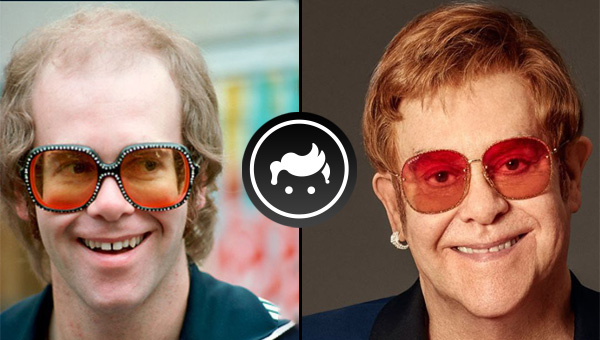
Gordon Ramsay has appeared in media reports related to cosmetic procedures and hair restoration discussions. As with many celebrities, patients should separate confirmed information from media speculation and focus instead on the medical lessons.
The main lesson is that natural-looking improvement requires both technical skill and realistic planning. A transplant should not only create short-term fullness; it should also consider future hair loss, donor capacity, and how the result will age over time.
Our guide on whether a hair transplant is permanent explains donor dominance, native hair loss, and long-term maintenance.
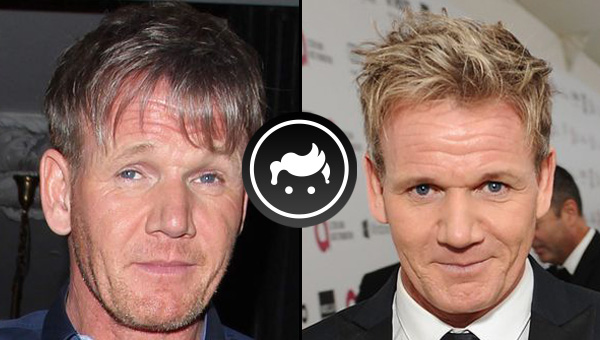
Joe Swash has been widely reported as having undergone multiple hair transplant procedures to improve thinning and support confidence on and off screen. Multiple procedures can sometimes be necessary when hair loss progresses, when density goals change, or when a patient needs staged planning.
This is why donor area management is critical. Donor hair is limited, and using too many grafts too early can reduce future options. A good clinic should explain what can be achieved now and what may be needed later.
If you want to understand donor safety, review our donor area management guide.
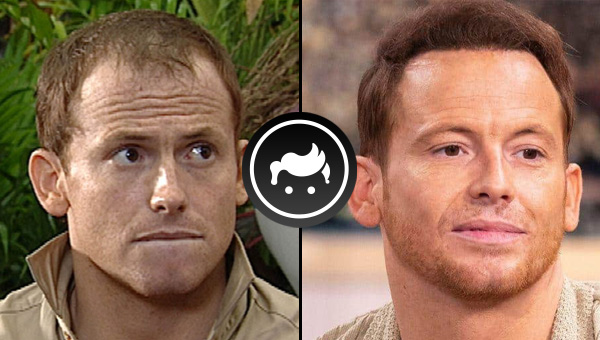
Jurgen Klopp is often included among the most recognisable public examples of hair restoration, and his transformation has been widely discussed. His case is useful because it shows how a natural-looking hairline and improved density can refresh appearance without looking overly artificial.
The medical lesson is that density should not be forced beyond what the donor area can safely provide. A balanced result depends on graft distribution, hair thickness, hairline angle, and future hair loss planning.
If you are comparing clinics, our hair transplant Turkey red flags checklist explains what to avoid before booking surgery.

Jimmy Carr has publicly discussed having a hair transplant and is often mentioned because of his visible improvement in hairline and overall hair appearance. His case is a good example of how open discussion can reduce stigma around men seeking help for hair loss.
For many patients, the goal is not to look like a different person. The goal is to restore a natural frame to the face, improve confidence, and create a result that matches age, hair type, donor capacity, and future expectations.
Modern planning usually separates extraction and implantation. At HWT Clinic, FUE hair transplant is used for graft extraction, while DHI hair transplant can be used for direct implantation when suitable.
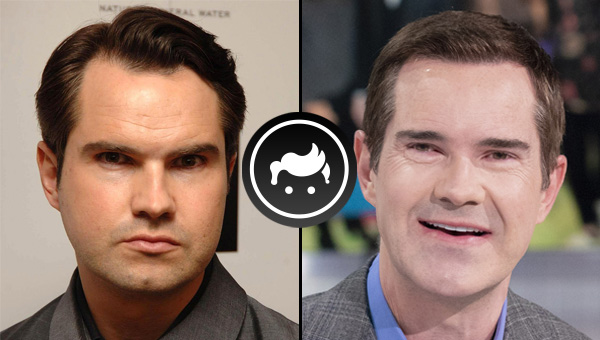
Celebrity transformations can be inspiring, but they should not be used as exact templates. Your ideal result depends on your own hair loss pattern, age, donor area, hair thickness, scalp contrast, graft requirement, medical history, and expectations.
Some patients need only hairline refinement. Others need crown restoration, density correction, or repair after a previous unsatisfactory procedure. If you already had a poor result elsewhere, our hair transplant repair Turkey guide explains how revision cases are evaluated.
Patients should also understand the recovery process. Newly implanted hairs may shed temporarily before new growth begins. This is normal in many cases and is explained in our shock loss after hair transplant guide.
Whether you are a public figure or a private patient, the safest approach is to choose a clinic based on medical quality rather than celebrity-style marketing. A good clinic should explain the diagnosis, donor capacity, graft plan, technique, hairline design, recovery timeline, and aftercare clearly.
Before choosing a clinic, ask:
If you are comparing destinations, reviewing transparent Turkey hair transplant packages can help you understand graft planning, technique, hotel, transfers, recovery support, and pricing together.
Only if the person publicly confirms it or reliable direct information is available. Before-and-after photos can create suspicion, but lighting, styling, hair length, hair fibres, wigs, medication, and non-surgical treatments can also change appearance.
Natural results usually come from careful hairline design, correct graft selection, controlled density, good donor management, proper angle and direction, and realistic planning. The goal is to create improvement without making the hairline look artificial.
Not necessarily. Your result depends on your donor area, hair thickness, hair loss stage, scalp characteristics, medical history, and graft requirement. A doctor-led consultation is needed to understand what is realistic for your case.
Many modern hair transplants use FUE-based extraction, and some cases may use DHI implantation when suitable. However, technique names alone do not guarantee a good result. Planning, graft handling, and implantation quality matter most.
Turkey can be a strong option when the clinic is licensed, medically supervised, transparent about graft planning, and provides structured aftercare. Patients should avoid clinics that rely only on low prices, celebrity-style marketing, or unrealistic density promises.

You are just one step away from getting a completely free medical analysis.
Close windowWhich image best describes your current hair loss? Or use Voice Input.
Your age helps us determine the stability of your donor area.
At your age (18-23), hair loss is likely still progressing. We highly recommend preventative medical treatments.
Get Info on TreatmentsHave you ever had a hair transplant before?
Do you have any of the following health conditions?
Calculating graft density and hairline design.
Estimated Graft Need
🏆 Highly Recommended: VIP
We strongly recommend the VIP Package as it includes sedation/anesthesia, ensuring a completely comfortable and painless procedure.
📸 Please prepare these 3 photos for the doctor (Front Area, Top Crown, Back Donor):