

FUE Hair Transplant
in Turkey (2026)BOOK FREE CONSULTATION
Official Partner of Manchester City Football Club

What is FUE Hair Transplant?
FUE (Follicular Unit Extraction) is an extraction technique used in modern hair restoration, where individual follicular units are harvested one by one from the donor area (usually the back and sides of the scalp) and prepared for implantation into thinning zones like the hairline, temples, or crown. The key point is that FUE describes how grafts are taken — your final plan (density, design, sessions, aftercare, inclusions) is covered in our main guide: Hair Transplant Cost in Turkey.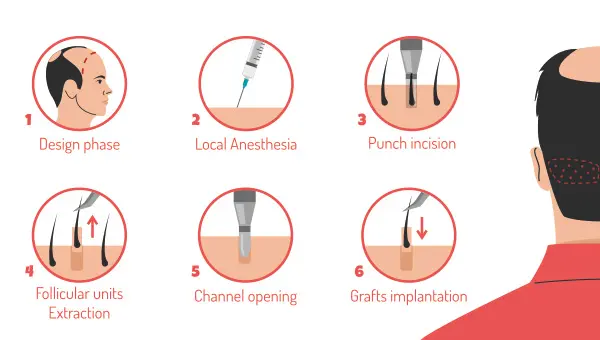

What Affects the Cost of an FUE Hair Transplant?
FUE pricing depends mainly on graft requirement, donor complexity, the size of the target area, and whether the plan is done in one session or staged for long-term safety. Some clinics bundle hotel, transfers, aftercare, and follow-up, while others price only the procedure — so comparing what’s included matters more than the headline number. To keep pricing and package inclusions in one clear place, see our all-inclusive package guide.How Does FUE Hair Transplant Work?
FUE works by harvesting individual grafts from a stable donor area, usually the back and sides of the scalp, using local anaesthesia. These grafts are then prepared and implanted into thinning areas such as the hairline, temples, or crown. Because FUE describes the extraction method, outcomes depend heavily on planning, including donor safety, hairline design, angle and direction, density targets, and the implantation approach used for your case. This section focuses on the FUE technique itself; pricing, package inclusions, timelines, and clinic comparisons are covered in our main cost and package guide.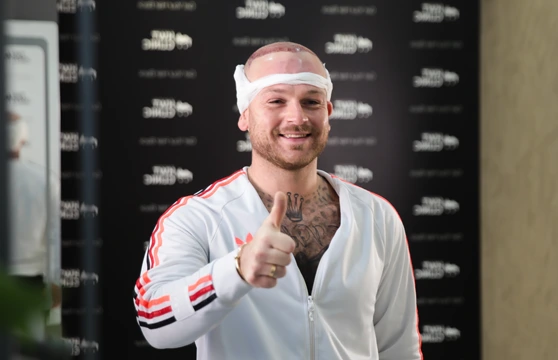
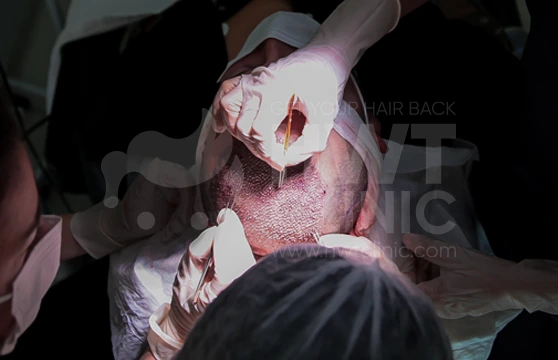
How is an FUE Hair Transplant Operation Performed?
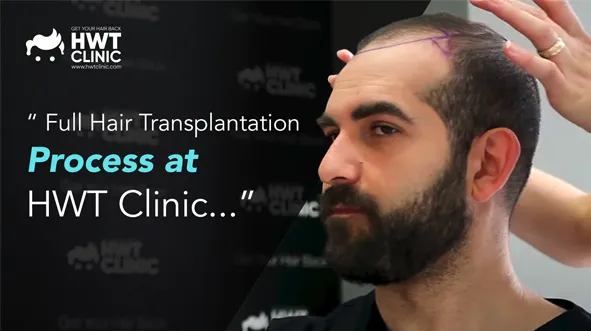
An FUE procedure is typically planned in stages: (1) doctor-led assessment to confirm donor suitability and set a realistic graft plan, (2) hairline and target-zone design with medical preparation, (3) donor extraction using the FUE method, (4) graft preparation and implantation based on the agreed plan, and (5) aftercare and follow-up so healing and growth stay on track. Some patients need a single session, while others may be planned in phases depending on coverage goals and long-term donor management. For a full comparison of packages, inclusions, timelines, and clinic standards, refer to the main hair transplant cost in Turkey guide.•
Doctor-Led FUE Hair Transplant Planning
FUE is a technique page — so we keep the focus on how the method works and who it’s for, without competing with our main cost and package guide. At HWT Clinic, we perform FUE with a doctor-led plan and a safety-first approach, aiming for natural direction, donor protection, and realistic density planning. If you want transparent, all-inclusive package details including hotel, transfers, aftercare, and price range, please check our dedicated hair transplant cost in Turkey page. If you’d like a personalised plan, contact us and our team will guide you through the next step.

Recovery After FUE Hair Transplant
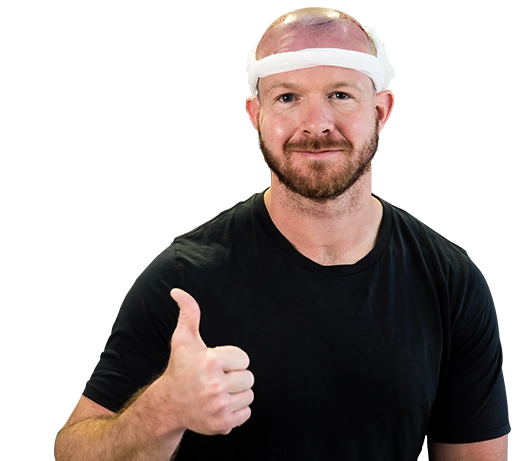
Recovery after FUE is usually straightforward — but your final result depends heavily on aftercare and protecting the grafts in the first days. Your doctor will provide clear post-op instructions covering washing, sleeping position, activity/exercise timing, and what’s normal vs what isn’t (swelling, redness, scabbing, itching). In general, you’ll want to take it easy early on, avoid direct sun exposure, and stay away from harsh chemicals or hair dye until you’re cleared. We also schedule follow-ups so healing is monitored and guidance is adjusted if needed. For a full day-by-day recovery timeline, see our dedicated guide: Recovery Timeline (Week 1–Month 12).FUE Hair Transplant Care
FUE aftercare is simple — but it matters. Because grafts are freshly placed, the first days are about protecting them, keeping the scalp clean, and following the doctor’s washing + activity instructions. FUE is different from FUT and DHI, so the routine can differ slightly depending on your technique plan and the size of the treated area. FUT (strip method) is an older approach, while DHI (direct implantation) focuses on precise placement with a pen-style implanter. Your surgeon will guide you before, during, and after the procedure — including what to do in the first week, how to sleep, when to return to work, and when you can safely resume gym/sports. For detailed technique guides, see: FUT Hair Transplant and DHI Hair Transplant.
After Care•
FUE Hair Transplant After Care
 01
01First Few Months
In the first few weeks after an FUE hair transplant, mild redness and swelling can be normal. Follow your clinic’s wash routine carefully — gentle washing helps soften and lift scabs safely, supporting clean healing. Around week 2–4, the transplanted hairs commonly shed (this is normal). New growth usually starts to appear gradually over the next 6–12 weeks, then continues to mature month by month. The first month is the most sensitive period, so avoid rubbing, scratching, tight hats, and any impact to the scalp. Stick to your surgeon’s post-op instructions, and contact the clinic if you notice increasing pain, unusual discharge, fever, or anything that worries you. 02
02After Three Months
Between months 2–4, early regrowth starts to become noticeable — but it can look fine, uneven, or thinner at first. That’s expected as hairs cycle and thicken over time. Keep treating the area gently, stay consistent with washing, and avoid harsh chemicals. By month 6, many patients see a clearer change in coverage, while density and texture continue improving as the grafts mature. 03
03After One Year
Most patients see major results by 10–12 months, with ongoing maturation possible up to 15–18 months depending on the case. Final outcomes vary based on hair loss pattern, donor strength, technique, and how well aftercare is followed. Even at one year, protect the scalp from strong sun exposure and avoid aggressive styling habits. If you’re unsure about progress, a follow-up check (with photos) helps confirm whether the timeline is on track. 04
04How to Wash Hair After FUE Hair Transplant
Washing is important — the key is being gentle. Your clinic will give a specific schedule, but in general: wait the recommended days before the first wash (often 2–4 days), use a mild shampoo/foam, and avoid fingernails, rubbing, or circular motions over the grafts. Rinse with lukewarm water and let water flow over the area rather than direct high pressure. Pat dry with a paper towel (no towel rubbing). After roughly 10–14 days (depending on scab status and your clinic’s guidance), you can usually start very gentle massaging to help remove remaining scabs safely.Advantages of FUE Hair Transplant
FUE has become one of the most preferred hair transplant methods because it can deliver natural-looking results with minimal visible scarring. Since grafts are extracted individually, there is no linear strip scar — healing is usually faster and most patients return to normal routines sooner compared to older techniques. Other advantages include: • Small, dot-style extraction marks that are typically hard to notice once healed • A comfortable recovery when aftercare is followed correctly • Natural placement when the hairline, angles, and density are planned by a doctor-led team • Long-term results from transplanted grafts, with gradual maturation over months • No stitches to remove, and follow-ups are usually simple check-ins to track progress. The biggest benefit is confidence: when the plan is realistic and donor-safe, FUE can restore coverage and blend naturally with existing hair.
Who is a Good Candidate for FUE Hair Transplant?
A good candidate for FUE is someone with pattern hair loss (often affecting the hairline, temples, and crown) and a stable, healthy donor area at the back and sides of the scalp. Since FUE relies on extracting individual follicles, donor quality and density matter — a doctor-led assessment checks donor strength, hair characteristics, and sets a realistic graft plan to protect long-term results. FUE can be a strong option for patients who want natural density, are able to follow aftercare carefully, and want flexibility in styling once healing is complete. The best outcomes usually come from realistic expectations, good donor supply, and a clear plan that matches your hair loss pattern and future thinning risk.

Who is Not a Good Candidate for FUE Hair Transplant?
FUE may not be suitable if hair loss is not stable or if the donor area is weak. For example, active diffuse thinning that also affects the donor zone, certain scarring alopecias, or cases with very limited donor supply can reduce the ability to achieve a safe, natural result. Temporary shedding from stress or illness may improve without surgery, so a medical assessment is important before making decisions. Some medical conditions, medications, or healing risks can also make surgery inappropriate. That’s why clinics should confirm diagnosis, donor safety, and expectations first — and only proceed when the plan is medically sound and long-term donor protection is possible.FUE HAIR TRANSPLANT•
FUE Hair Transplant in Istanbul with HWT Clinic
HWT Clinic is a doctor-led, Ministry of Health-licensed hair transplant clinic in Istanbul, focused on safe FUE extraction, natural design and structured aftercare for international patients. Every FUE plan starts with a medical assessment to confirm donor capacity, hair loss pattern, graft strategy, hairline design and realistic expectations.Our process focuses on donor area protection, in-house medical teamwork, transparent package details and clear follow-up after the procedure. If you are comparing FUE hair transplant clinics in Turkey, the safest comparison is based on medical planning, donor management, clinic standards and aftercare, not only price. See our Turkey hair transplant guide. Contact us to ask questions, request a treatment plan, or book your consultation.


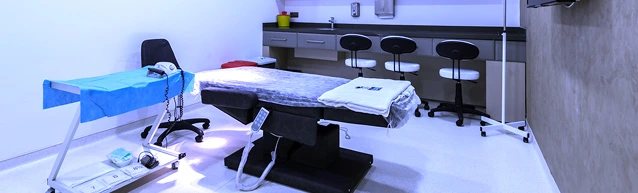
YOU CAN FIND ANSWERS TO YOUR QUESTIONS•
Frequently Asked Questions
FUE hair transplant results are generally long-lasting because grafts are usually taken from the stable donor area at the back and sides of the scalp. However, native hair can continue to thin over time, so long-term planning matters. A doctor-led assessment helps protect the donor area, create a realistic graft strategy and plan future hair loss management.
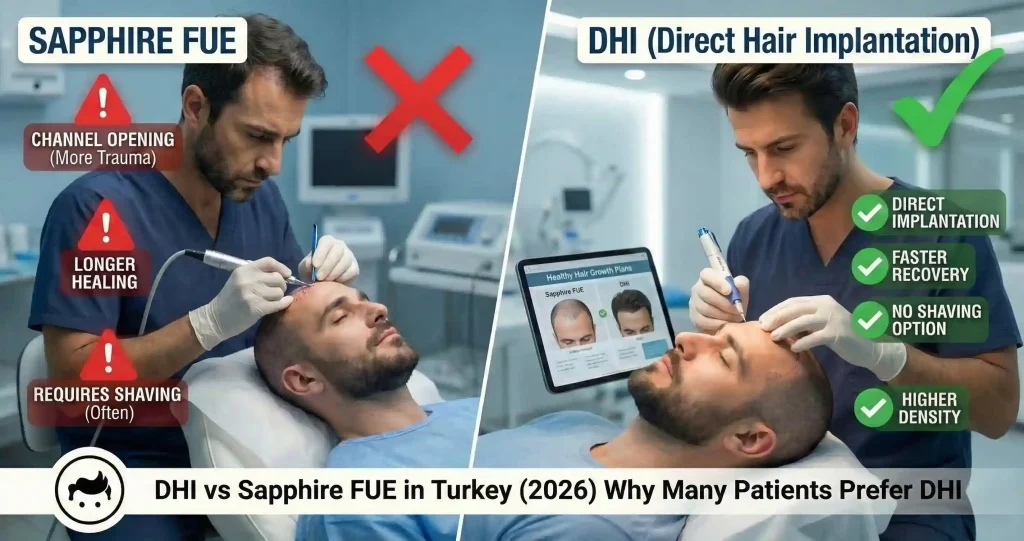
FUE and DHI are not direct competitors. FUE describes how grafts are extracted from the donor area, while DHI describes implantation with an implanter pen. The right plan depends on donor capacity, hair loss pattern, target area, density goals and medical suitability. In many cases, FUE extraction and DHI implantation can be part of the same treatment plan.
Shaving needs depend on the graft plan, donor area access and the size of the treatment area. Larger FUE sessions usually require shaving for safe and accurate extraction, while selected smaller cases may be suitable for partial shaving or an unshaven approach. The final decision is made after a medical assessment.
The cost of a FUE hair transplant in Turkey depends on the treatment plan, donor capacity, target areas, clinic standards and what is included in the package. HWT Clinic offers different package options rather than graft-based pricing. For international patients, hotel, transfers, medication support, first wash and aftercare can also affect the total value.
FUE does not leave a linear strip scar like FUT. Because grafts are extracted one by one, it may leave tiny dot-like marks in the donor area, which are usually difficult to notice after healing when extraction is planned carefully. Scar visibility depends on donor management, skin healing, graft density, haircut length and aftercare.
HWT Clinic's Blog
Welcome to HWT Clinic's Blog!
HWT CLINIC•
Start Your FUE Hair Transplant Journey
Start your FUE hair transplant journey with HWT Clinic in Istanbul. Our doctor-led planning focuses on donor area protection, FUE graft extraction, natural-looking design, transparent package details and structured aftercare for international patients.