



Hair transplant surgery is a procedure that involves moving hair from one area of the scalp to another. The operation is typically carried out on men and women with thinning or falling hair. One of the main concerns for patients is understanding what to expect from a Turkey hair transplant in terms of comfort, as the fear of pain often outweighs the excitement of the results. Most patients report that the pain is minimal and manageable, while some discomfort is normal during and after the surgery.
A hair transplant, known as a hair implant, is a procedure that involves transferring healthy hair follicles from one area of the body to bald or thinning areas. It is used to restore lost hair due to genetics, medical conditions, and aging. Tiny grafts are taken from the donor site (usually at the back of the head) and placed in the recipient site, usually on the top of the head or near the front line. The goal is for the new hair to grow naturally within a few months, leading to fuller coverage and improved self-confidence.
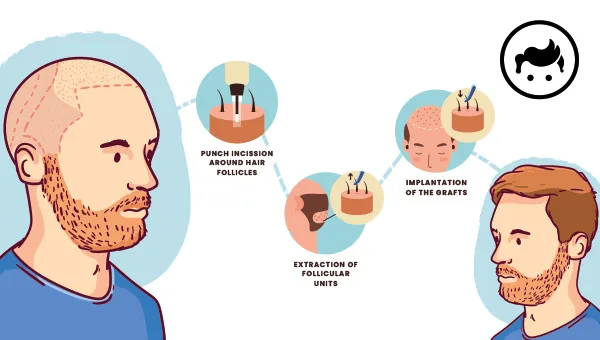
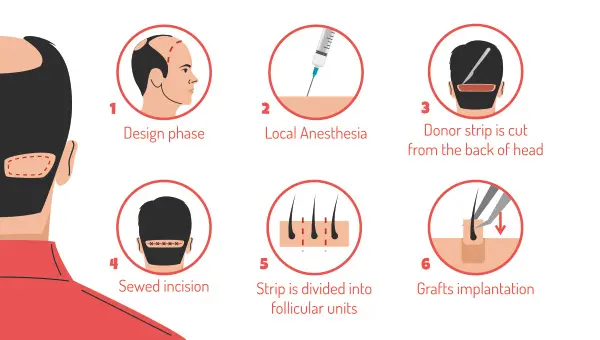
Surgeons use a combination of local anesthesia injections, painkillers, and other methods to ensure that the patient is comfortable and relaxed throughout the procedure. Hair transplant pain level varies from person to person but is generally manageable with pain medication prescribed by your doctor and resolves within a few days post-procedure.
Local anesthesia injections enable surgeons to work without causing significant patient discomfort. By administering injections directly into the scalp in small doses, the area is numbed, allowing for precise follicle extraction and implantation. Local anesthesia is a necessary component of safe, successful hair transplants, ensuring the patient feels minimal pain while maximizing the efficacy of the procedure.
No, anesthesia does not cause hair loss. While certain medical procedures may cause temporary thinning due to the stress they place on the body, anesthesia itself does not lead to permanent hair loss.
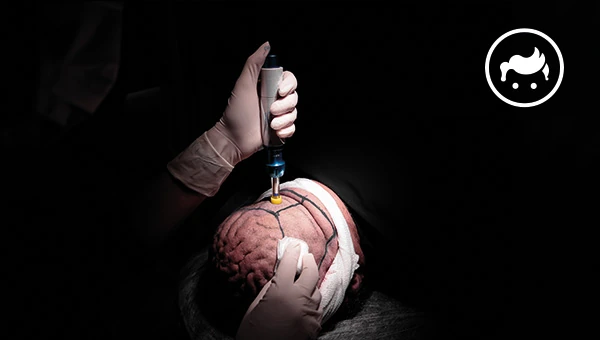
Painkillers are administered before, during, and after surgery to relieve acute or chronic pain and facilitate recovery. These medications block pain signals to the brain, reducing the patient’s overall level of discomfort. This allows surgeons to perform the operation with greater precision and fewer risks, leading to faster healing times for the patient. You can also review our guide on post-op medications after hair transplant to understand which medicines are commonly used during recovery.
Assuring the comfort and relaxation of each patient is a vital part of the surgeon’s role. Providing emotional support and physical care helps alleviate fears and anxieties. Experienced professionals understand that a relaxed patient is more likely to recover fully and efficiently.
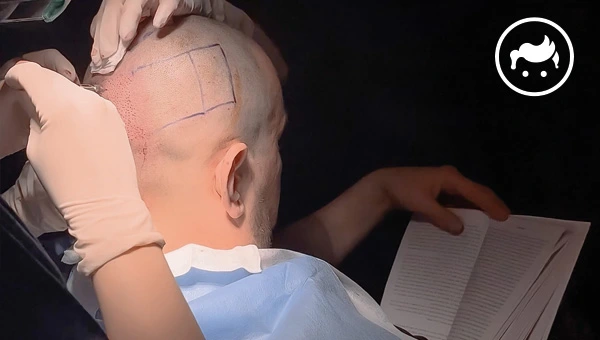
There are two primary types of hair transplant methods, each with different levels of invasiveness and recovery times:
Patients comparing modern implantation techniques can also read our DHI vs Sapphire FUE guide. For patients specifically researching direct implantation, our DHI hair transplant page explains how the Choi pen method works in clinical practice.
FUE is a highly sought-after method for restoring hair due to its relatively high success rate and minimal discomfort. A small punch tool is used to extract follicles one at a time, resulting in minimal scarring and quicker healing times compared to other techniques. Most patients return to normal activities almost immediately after the procedure. However, safe extraction also depends on proper donor area management, because overharvesting can create long-term thinning or patchiness at the back of the scalp.
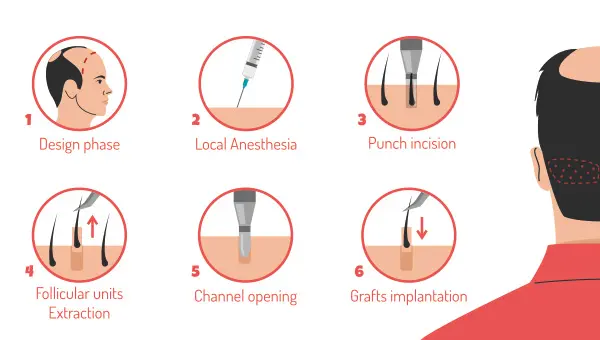
FUT involves surgically removing a strip of donor skin, which is then dissected under magnification into individual follicular units. This technique often provides more density per square centimeter. While it involves a more traditional surgical approach, local anesthesia is used to ensure patient comfort during the process.
Generally, the FUT method is considered more painful than FUE because it involves removing a strip of skin. However, discomfort associated with both methods is typically manageable with local anesthesia. FUE is widely regarded as the most comfortable and minimally invasive option available today.
After surgery, patients may experience some swelling, redness, and a dull throbbing or itching sensation in the scalp. These symptoms are temporary and can be managed with over-the-counter medication and cold compresses. It is important to follow all post-operative instructions provided by the surgeon to ensure the best possible outcome. For a broader overview of normal and abnormal symptoms, you can review our guide to hair transplant side effects.
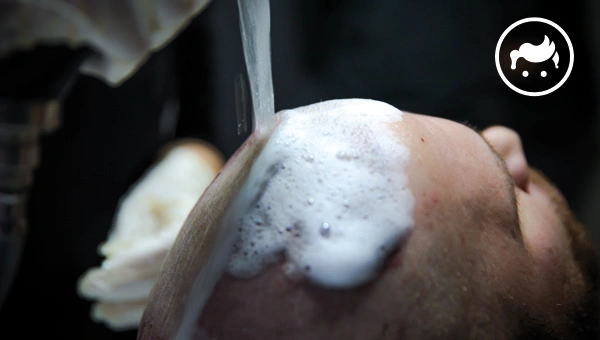
Proper hair washing after transplant is crucial for achieving optimal results. The process typically involves:
Sleeping position also matters during the first nights after surgery. Keeping your head elevated helps reduce swelling and protects the grafts from unnecessary friction. You can read more in our guide on sleeping after hair transplant.
No, anesthesia does not cause hair loss. While certain medical procedures may cause temporary thinning due to the stress they place on the body, anesthesia itself does not lead to permanent hair loss.
Generally, the FUT method is considered more painful than FUE because it involves removing a strip of skin. However, discomfort associated with both methods is typically manageable with local anesthesia. FUE is widely regarded as the most comfortable and minimally invasive option available today.
Most patients report only mild discomfort during the first 48 to 72 hours after the procedure, which typically subsides within a week. Every person’s experience is unique, but following the surgeon’s aftercare instructions is the best way to minimize any lingering pain. For the full healing process, review our hair transplant recovery timeline.
Yes, hair transplants are safe when performed in a licensed medical setting by an experienced team. With modern, skillful techniques used by medical professionals, patients can expect natural-looking results with minimal side effects and a low risk of complications. Before booking, patients should also understand the most important hair transplant Turkey red flags to avoid unsafe providers and unrealistic promises.
For many individuals, a hair transplant provides improved self-confidence and long-term satisfaction with their appearance. Choosing a qualified clinic is vital, and many international patients find that Turkey hair transplant costs are both affordable and provide high-quality care. If you are still comparing providers, our guide on how to choose a hair transplant clinic in Turkey can help you evaluate safety, transparency, and medical standards before making a decision.


You are just one step away from getting a completely free medical analysis.
Close windowWhich image best describes your current hair loss? Or use Voice Input.
Your age helps us determine the stability of your donor area.
At your age (18-23), hair loss is likely still progressing. We highly recommend preventative medical treatments.
Get Info on TreatmentsHave you ever had a hair transplant before?
Do you have any of the following health conditions?
Calculating graft density and hairline design.
Estimated Graft Need
🏆 Highly Recommended: VIP
We strongly recommend the VIP Package as it includes sedation/anesthesia, ensuring a completely comfortable and painless procedure.
📸 Please prepare these 3 photos for the doctor (Front Area, Top Crown, Back Donor):