



Hair treatment is a broad term that includes medical, clinical, and cosmetic methods used to manage hair loss, thinning, dryness, dandruff, frizz, breakage, scalp irritation, and damaged hair. The right treatment depends on the exact problem you are trying to solve.
For example, thinning caused by male pattern baldness is not treated the same way as dry, frizzy, or chemically damaged hair. Likewise, medical hair loss caused by iron deficiency, hormonal imbalance, illness, medication use, or scalp inflammation should be diagnosed before choosing a treatment.
Some treatments, such as PRP, medications, laser therapy, or mesotherapy, may support existing hair in suitable patients. Others, such as keratin, glossing, moisture, protein, detox, or Olaplex-style treatments, mainly improve the condition and appearance of the hair shaft. If hair loss is advanced and follicles are no longer active, a hair restoration in Turkey plan may include surgical options such as hair transplantation.
If you are not sure why your hair is thinning, start with diagnosis. Our guides on causes of hair loss and illnesses that cause hair loss explain the most common medical and lifestyle-related reasons.
Hair treatments can be divided into two broad categories:
The most important point is that cosmetic hair treatments can improve the look and feel of the hair, but they cannot restore follicles in bald areas. For advanced hair loss, surgical planning may be required after a doctor-led evaluation.
PRP, or platelet-rich plasma, is a non-surgical treatment that uses a concentrated part of the patient’s own blood to support scalp health and follicle activity. It is commonly considered for early-stage thinning, weak native hair, or post-operative support after hair transplantation.
The procedure usually involves collecting a small blood sample, processing it in a centrifuge, and injecting the platelet-rich plasma into thinning areas of the scalp. PRP is not a guaranteed cure for baldness, but it may help improve hair quality and support follicles in suitable patients.
You can read the full guide here: hair PRP treatment.
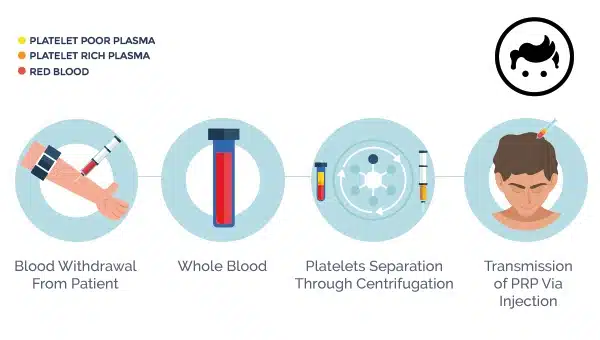
Stem cell treatment for hair loss is a supportive regenerative approach that may help improve scalp quality and follicle activity in selected patients. It should not be confused with a traditional hair transplant, because it does not physically move follicles from one area to another.
Stem cell-based treatments are often discussed for thinning hair, weak follicles, and regenerative support. However, protocols can vary between clinics, and results are not guaranteed. Patients should be careful with any clinic that presents stem cell treatment as a permanent cure for baldness.
For a detailed explanation, read our guide on stem cell treatment for hair loss.
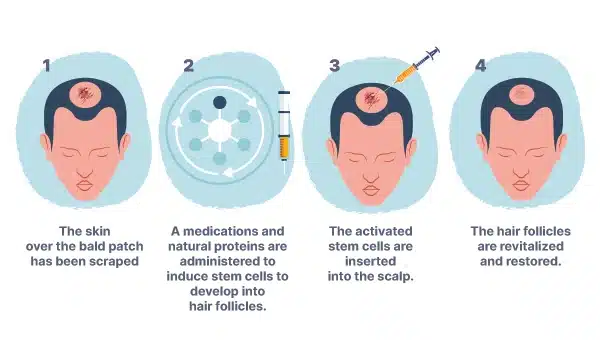
Laser hair treatment, also called low-level laser therapy or red light therapy, uses light energy to support scalp and follicle activity. Some patients use laser caps or clinical laser devices as a supportive treatment for thinning hair.
Laser treatment is usually considered a supportive option rather than a complete solution for advanced baldness. It may be more useful in early-stage thinning than in completely bald areas. It often requires consistent use over time, and results can vary between patients.
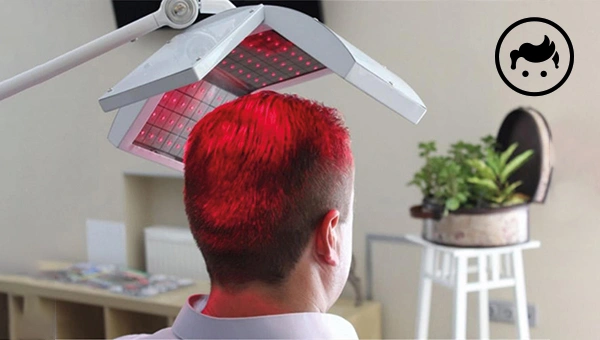
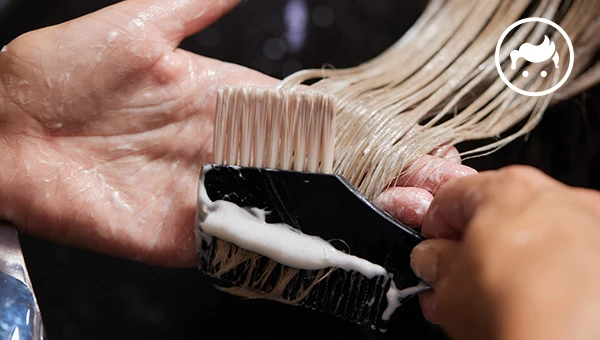
Keratin treatment is mainly a cosmetic smoothing treatment. It is used to reduce frizz, improve shine, and make the hair easier to manage. It does not treat male pattern baldness or restore lost follicles.
Keratin can temporarily improve the appearance of dry, frizzy, or damaged hair. However, some keratin treatments involve heat and chemical ingredients, so patients with sensitive scalps, active hair loss, pregnancy, or recent hair transplant surgery should ask a medical professional before applying it.
Hair loss treatment should always begin with diagnosis. A doctor may evaluate your scalp, hair quality, medical history, medications, family history, hormones, iron levels, thyroid function, and signs of inflammation before recommending a treatment plan.
For genetic hair loss, medications such as Minoxidil or Finasteride may be discussed in suitable patients. These treatments may help slow further hair loss or support native hair, but they do not restore fully bald areas where follicles are no longer active.
If hair loss is advanced, surgery may become the more realistic option. In modern hair transplantation, the FUE hair transplant method is used for extracting grafts, while the DHI hair transplant method can be used for direct implantation when suitable. If you are comparing treatment paths, our guide on hair loss treatments for men explains the main options.
For patients who already had surgery, medication timing should be doctor-led. You can review our guide on post-op medications after hair transplant.
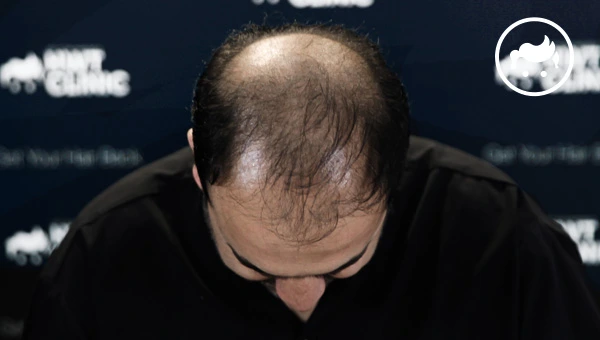
Scalp treatments are designed to support scalp comfort, hydration, oil balance, and cleanliness. They may include exfoliating, moisturizing, calming, or anti-dandruff ingredients depending on the scalp condition.
A healthy scalp can support better hair quality, but scalp treatments are not a replacement for medical diagnosis. Persistent dandruff, itching, redness, scaling, pain, or sudden shedding should be evaluated by a doctor because these signs may point to dermatitis, psoriasis, fungal infection, inflammation, or another medical issue.
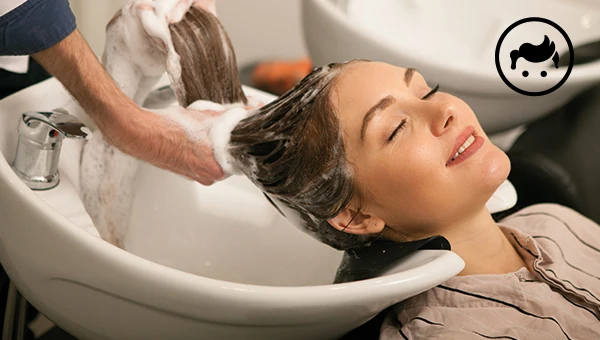
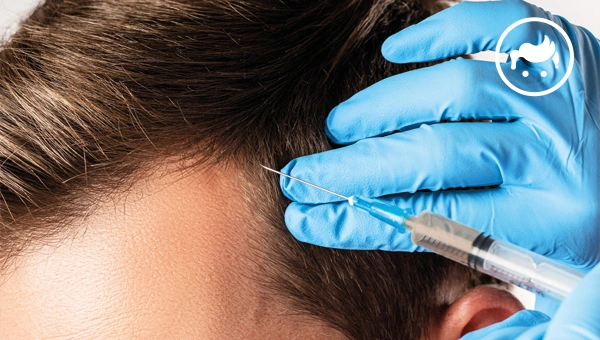
Hair mesotherapy involves injecting a mixture of vitamins, minerals, amino acids, or other supportive ingredients into the scalp. It is often marketed for thinning hair, weak hair, scalp support, and seasonal shedding.
Mesotherapy may be considered as a supportive treatment in selected patients, but the content of the injection, treatment frequency, and expected benefit can vary widely between clinics. It should be performed by trained professionals and should not be presented as a guaranteed cure for baldness.
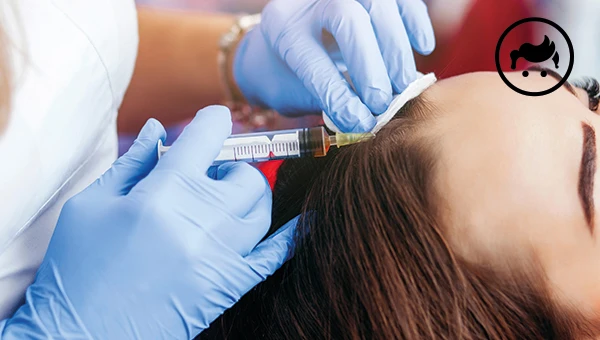
Clarifying treatment removes product buildup, oil, pollution, silicone residue, and styling product accumulation from the hair and scalp. It can make the hair feel lighter and cleaner, especially for patients who use gels, sprays, oils, creams, or heavy conditioners.
However, clarifying shampoos can be strong. Overuse may cause dryness, frizz, color fading, or scalp irritation. If your scalp is sensitive, recently transplanted, inflamed, or medically treated, ask your clinic before using clarifying products.
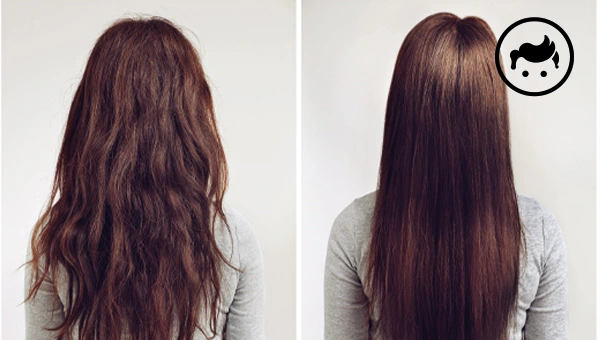
Hair Botox is a confusing term because it can refer to different things. In many salons, “hair Botox” is not real botulinum toxin; it is usually a cosmetic conditioning treatment designed to make hair look smoother, fuller, and shinier.
Botox injections for scalp-related hair loss are not a standard first-line treatment for most hair loss cases. Evidence and protocols vary, so it should not be described as a guaranteed hair growth solution. If a patient is considering injection-based treatment, it should be discussed with a qualified medical professional.
Hot oil treatment is mainly used for dry, brittle, frizzy, or damaged hair. Plant-based oils may help soften the hair shaft, reduce dryness, and improve manageability.
Hot oil does not treat genetic baldness or restore inactive follicles. It should also be used carefully because overly hot oil can burn the scalp, and some oils may irritate sensitive skin. Always test the temperature and avoid using oils on a healing scalp after hair transplant surgery unless your clinic approves it.
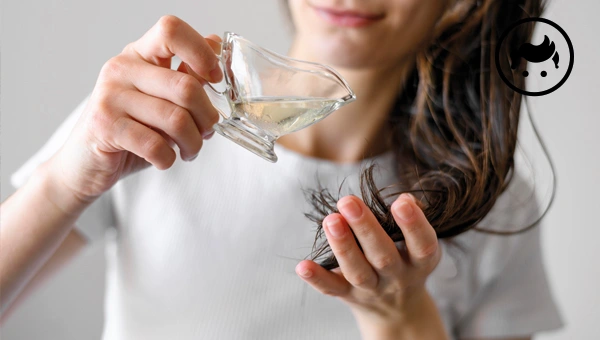
Moisture treatments help restore hydration to dry or damaged hair. They may include hydrating shampoos, conditioners, leave-in products, masks, serums, oils, or spritzers.
These treatments can reduce dryness, frizz, tangling, and breakage. They are especially useful for hair that has been exposed to heat styling, coloring, chemical processing, sun exposure, or harsh weather. However, moisture treatments support the hair shaft; they do not reverse advanced follicle loss.
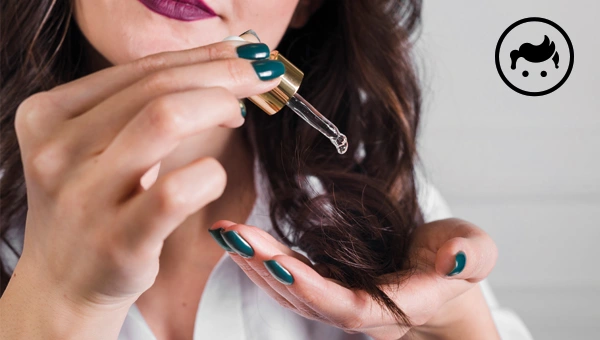
Glossing treatment is a semi-permanent cosmetic treatment used to improve shine, tone, softness, and color appearance. It can be clear or tinted, depending on the goal.
Hair gloss can make dull hair look healthier, but it is not a medical hair loss treatment. Patients with sensitive scalps, active irritation, or recent hair transplant surgery should avoid chemical glossing until the scalp has healed and the clinic confirms it is safe.
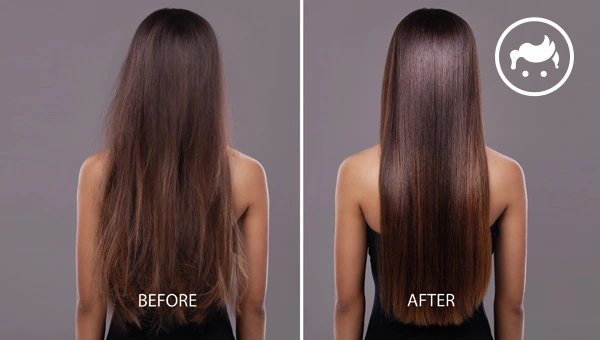
Protein treatments are used to strengthen weak, brittle, damaged, or overprocessed hair. Ingredients such as keratin, collagen, or amino acids may help improve the feel and structure of the hair shaft.
Protein treatment can reduce breakage in suitable hair types, but too much protein can make some hair feel stiff, dry, or brittle. It should be balanced with moisture treatment, especially for curly, dry, or chemically treated hair.
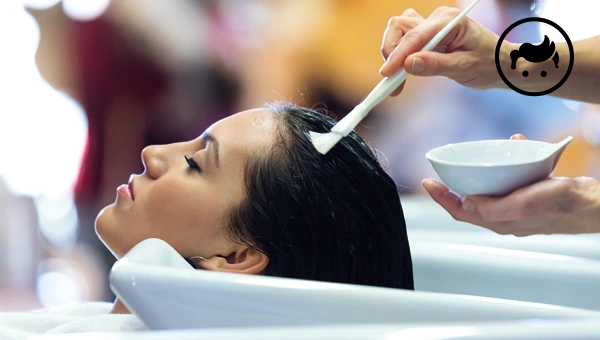
Hair detox treatment is used to remove buildup from styling products, oils, pollution, hard water minerals, and scalp residue. It is similar to clarifying treatment but may be marketed as a deeper reset for the hair and scalp.
Detox treatments can be useful when hair feels heavy, greasy, dull, or coated. However, aggressive detox products can irritate the scalp or dry the hair if used too often. Patients with recent hair transplant surgery should avoid detox treatments until the scalp has fully healed.
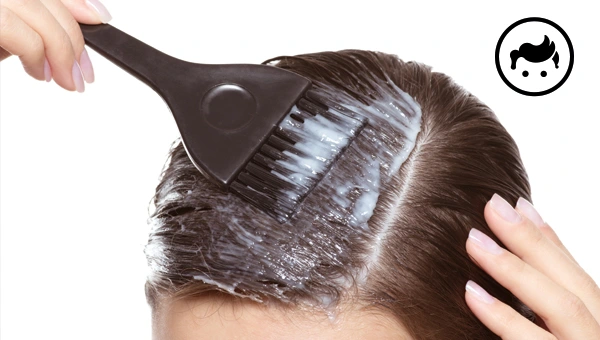
Olaplex-style bond repair treatments are used to support chemically damaged, bleached, colored, or heat-damaged hair. These treatments are designed to improve the structure and resilience of the hair shaft.
They can be useful for breakage and damage, but they do not treat male pattern baldness or regrow hair in bald areas. If hair loss is caused by follicle miniaturization, hormonal factors, illness, or scalp disease, medical evaluation is still necessary.
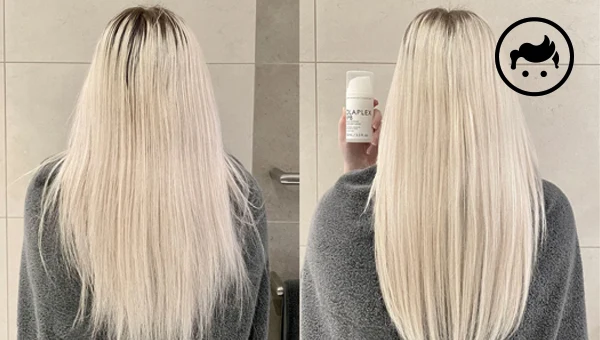
Relax treatments are chemical treatments used to straighten or loosen tightly curled hair. They can make styling easier, but they may also weaken the hair shaft if applied too aggressively or too frequently.
Relaxers should be used carefully, especially on fragile, thinning, damaged, or chemically processed hair. They should not be applied to irritated, inflamed, or recently transplanted scalps.
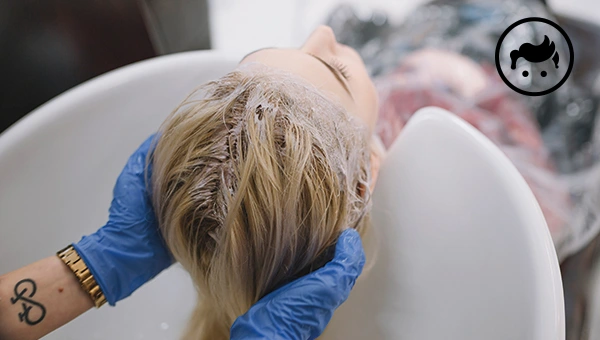
Supportive treatments can help existing hair when follicles are still active. But if the hairline has receded deeply, the crown is bald, or an area has lost significant density, non-surgical treatments may not be enough.
In these cases, a doctor may evaluate whether hair transplant surgery is suitable. The decision depends on your age, hair loss pattern, donor capacity, medical history, expectations, and long-term planning. Our guides on Norwood Scale and how many grafts you need can help you understand the planning process.
If surgery is appropriate, reviewing transparent Turkey hair transplant packages can help you compare graft planning, technique, hotel, transfers, aftercare, and medical standards.
Eligibility depends on the type of treatment. A patient with dry, frizzy hair may be suitable for moisture, protein, glossing, or keratin-style care. A patient with early thinning may be considered for medication, PRP, mesotherapy, laser therapy, or regenerative support. A patient with advanced baldness may need a hair transplant evaluation.
In general, patients may be suitable for hair treatment if they have a clear diagnosis, realistic expectations, no contraindications, and a treatment plan recommended by a qualified professional.
Some patients may need to delay or avoid certain treatments. This can include patients with active scalp infection, uncontrolled inflammation, severe dermatitis, open wounds, allergies to product ingredients, pregnancy-related restrictions, blood thinner use, cancer treatment history, or medical conditions that make injections unsafe.
For surgical treatment, patients must also have sufficient donor capacity and be medically suitable for the procedure. If you are unsure, a doctor-led consultation is the safest first step.
The duration depends on the treatment type. Cosmetic treatments such as glossing, keratin, moisture, or protein treatments may last from a few weeks to a few months. Clinical treatments such as PRP, laser therapy, or mesotherapy may require repeated sessions and maintenance. Hair transplant results are usually long-lasting when planned correctly. You can read more in our guide on whether a hair transplant is permanent.
Frequency depends on the treatment and your hair condition. Clarifying or detox treatments should not be overused because they can dry the hair. Moisture treatments may be used more regularly if the hair is dry. Clinical treatments such as PRP, mesotherapy, or laser therapy should follow a doctor-led schedule.
Hair treatments can be worth it when they match the correct diagnosis. Cosmetic treatments may improve shine, texture, frizz, or breakage. Medical treatments may help slow thinning or support existing follicles in suitable patients. However, treatments are less useful when the underlying cause is not diagnosed or when a cosmetic treatment is used for a medical hair loss problem.
Many hair treatments are safe when performed correctly, but every treatment has possible risks. Chemical treatments can irritate the scalp, injection-based treatments can cause swelling or infection, and medications can have side effects. The safest approach is to choose the treatment based on your scalp condition, medical history, and professional guidance.
Most intensive hair treatments should not be used every day. Daily use of strong products can cause buildup, dryness, irritation, or over-conditioning. Gentle shampoo or conditioner may be used according to your hair type, but stronger treatments such as clarifying, protein, keratin, detox, or clinical procedures should follow professional instructions.
The number depends on the treatment and goal. PRP or mesotherapy may require multiple sessions. Cosmetic treatments may need repeating every few weeks or months. Hair transplant surgery may be completed in one session or staged depending on graft requirement and donor capacity. A doctor or hair specialist should decide based on your diagnosis.
Keratin treatment is usually chosen for smoothing, frizz control, and manageability. Protein treatment is usually chosen for strengthening brittle or damaged hair. The better option depends on whether your main issue is frizz, dryness, chemical damage, breakage, or weak hair structure.
No. Conditioner is usually a routine product used after shampoo to soften and hydrate the hair. Hair treatments are more targeted and may be cosmetic, medical, or clinical. They are designed to address specific issues such as hair loss, dryness, breakage, scalp irritation, thinning, or damage.
You are just one step away from getting a completely free medical analysis.
Close windowWhich image best describes your current hair loss? Or use Voice Input.
Your age helps us determine the stability of your donor area.
At your age (18-23), hair loss is likely still progressing. We highly recommend preventative medical treatments.
Get Info on TreatmentsHave you ever had a hair transplant before?
Do you have any of the following health conditions?
Calculating graft density and hairline design.
Estimated Graft Need
🏆 Highly Recommended: VIP
We strongly recommend the VIP Package as it includes sedation/anesthesia, ensuring a completely comfortable and painless procedure.
📸 Please prepare these 3 photos for the doctor (Front Area, Top Crown, Back Donor):