

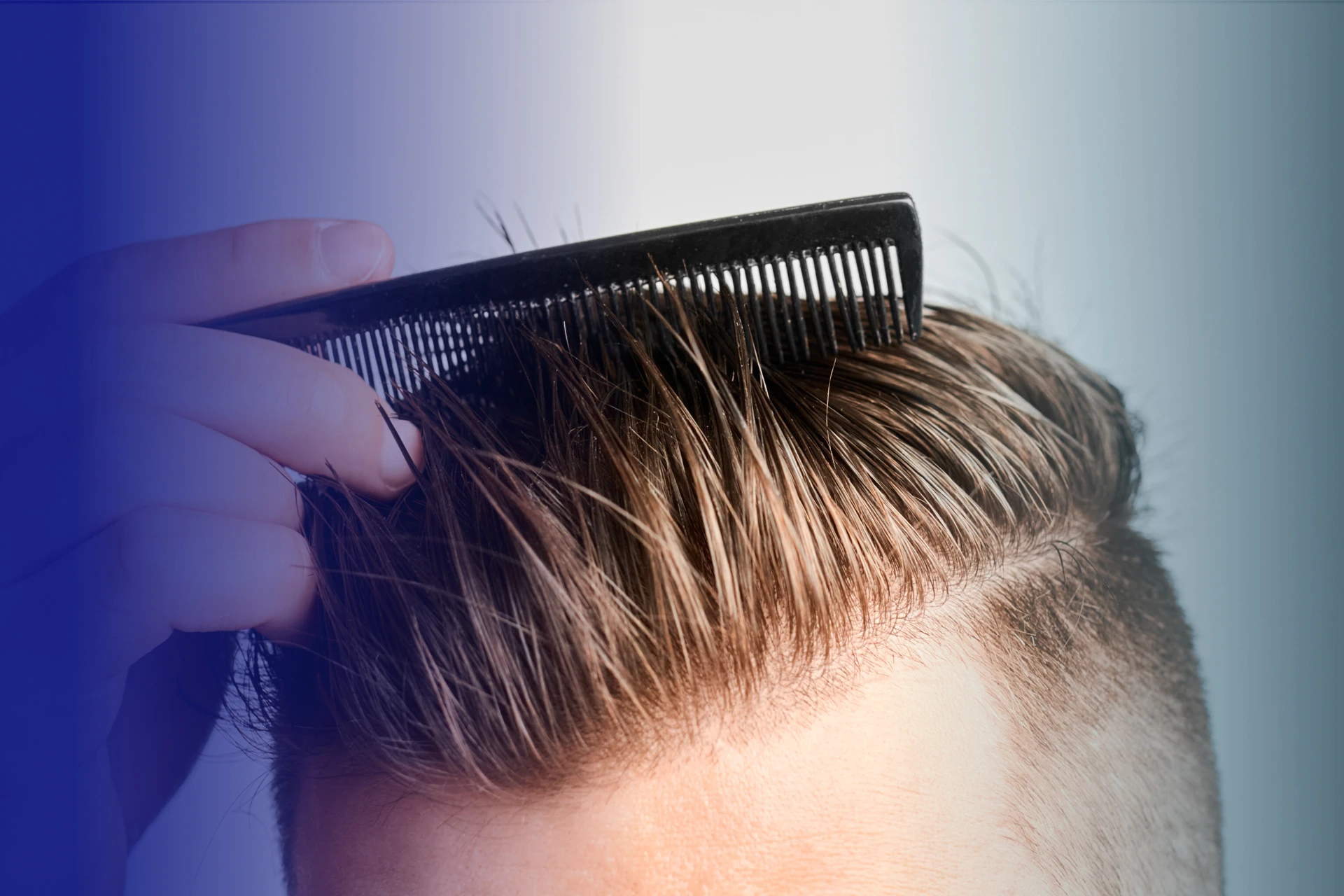

Hair loss can be a demoralizing condition, especially for men who notice thinning, recession, or bald spots becoming more visible over time. In the past, many people believed hair loss was completely irreversible. Today, there are several treatment options that may help slow hair loss, improve hair quality, support existing follicles, or restore areas where hair has already been lost.
However, not every treatment works the same way. Some options help protect native hair, some support scalp health, and some are surgical solutions for areas where follicles are already inactive. Before choosing any treatment, it is important to understand the cause of your hair loss and discuss your options with a medical professional.
This guide explains 9 common hair loss treatments for men, including medications, hair transplant surgery, PRP, lifestyle changes, laser therapy, scalp care, and natural approaches. If you are comparing treatment options and considering a hair transplant in Turkey, this page will help you understand when non-surgical treatment may be enough and when surgery may become the more realistic option.
The men’s hair loss treatment industry is very large, but not every product or procedure is supported by strong medical evidence. Any treatment promising instant regrowth should be approached with caution. Most genuine hair loss treatments require patience, consistency, and medical supervision. In many cases, it can take several months before visible improvement appears.
For a broader overview of treatment paths, you can also review our guide on hair treatments.
A hair transplant is not a medication that grows new follicles. Instead, it moves healthy follicles from a donor area, usually the back and sides of the scalp, to thinning or bald areas where coverage is needed. This makes it one of the most effective options for men with established baldness or recession that no longer responds well to non-surgical treatment.
Hair transplant results can be long-lasting when the procedure is planned correctly. The key is protecting the donor area, choosing the right graft number, and placing the hair at natural angles. Our guide on whether a hair transplant is permanent explains how donor dominance works and why transplanted hair usually remains more resistant to male pattern baldness.
Modern hair restoration is usually planned in two distinct phases:
Before choosing a clinic, patients should be careful with unrealistic promises, vague medical teams, or sales pressure. Our guide on hair transplant Turkey red flags explains what to avoid before booking.
Medication can be helpful for men with active male pattern baldness, especially when the goal is to slow further thinning and protect native hair. These treatments do not replace a transplant when an area is already fully bald, but they may help preserve the existing hair around transplanted zones.
Minoxidil is a topical treatment commonly used for hair loss. It may support hair thickness and growth in suitable patients, but it must be used consistently and should not be applied to a healing scalp immediately after surgery unless your doctor confirms it is safe.
Finasteride is an oral medication used for male pattern hair loss. It works by reducing DHT activity, which is strongly linked to follicle miniaturization in genetically susceptible men. Because Finasteride can have side effects and may not be suitable for everyone, it should only be used after medical consultation.
If you are planning or have already had surgery, our guide on post-op medications after hair transplant explains how medications such as Finasteride, Minoxidil, antibiotics, and pain relief may fit into a doctor-led recovery plan.
Before starting treatment, it is important to understand why hair loss is happening. Male pattern baldness is common, but it is not the only cause. Underlying health issues, nutritional deficiencies, medications, scalp inflammation, stress, and hormonal changes can all contribute to shedding or thinning.
Common medical contributors may include diabetes, thyroid imbalance, iron deficiency, eating disorders, scalp psoriasis, autoimmune conditions, and certain medications. If your shedding is sudden, patchy, or unusual, you should not assume it is only genetic hair loss.
You can learn more in our guides on causes of hair loss, illnesses that cause hair loss, hair loss due to iron deficiency, and hormonal effects on hair follicles.
In some cases, hair damage or breakage can be worsened by aggressive styling habits. Tight hairstyles, harsh brushing, frequent bleaching, strong chemical dyes, excessive heat, and repeated traction can all weaken the hair shaft and irritate the scalp.
Hair care will not reverse genetic baldness, but gentle scalp and hair habits can help protect existing hair and reduce unnecessary breakage. If you have had a hair transplant, your aftercare routine becomes even more important. Our guide on what not to do while growing out hair after a transplant explains which habits to avoid during the growth phase.
Low-level laser therapy, also called LLLT, uses red light or laser devices to stimulate the scalp. Some patients use laser caps or clinical devices as a supportive treatment for hair thinning.
Laser treatment is usually considered a supportive option rather than a complete solution for advanced baldness. Its effectiveness can vary depending on the patient’s hair loss stage, consistency of use, and whether it is combined with other medical treatments. A qualified doctor can help determine whether it is suitable for your case.
Lifestyle does not usually cause classic male pattern baldness on its own, but poor general health can worsen hair quality and shedding. Smoking, high stress, poor sleep, crash dieting, low protein intake, and nutritional deficiencies can all affect the condition of the hair and scalp.
A balanced routine with enough protein, vitamins, minerals, hydration, sleep, and exercise can support general hair health. These habits are especially important after surgery, when the body is healing and new follicles are entering the growth cycle.
Some medications and medical therapies can contribute to hair shedding as a side effect. Chemotherapy is a well-known example, but other treatments may also affect hair depending on the patient and dosage.
You should never stop a prescribed medication without speaking to your doctor. If you suspect a medication is contributing to hair loss, consult your physician to discuss whether alternatives are available and medically appropriate.
Gentle scalp massage may support relaxation and improve scalp awareness, but it should not be viewed as a guaranteed hair regrowth treatment. It may be useful as part of a general hair care routine, especially when performed gently and without irritating the scalp.
After a hair transplant, scalp massage should only be performed when your clinic confirms it is safe. During the first days after surgery, rubbing or massaging the recipient area can disturb healing. For timing, review our hair transplant recovery timeline.
Natural treatments such as plant oils, supplements, herbal products, and homemade topical mixtures are popular online, but the quality of evidence varies widely. Some may improve hair texture or scalp comfort, while others can irritate the scalp or cause allergic reactions.
Biotin, zinc, vitamin D, iron, and other supplements may help if you have a deficiency, but taking extra vitamins without a deficiency does not guarantee hair regrowth. Oils such as rosemary oil or peppermint oil are often discussed for hair health, but they should be used cautiously and should not replace medical diagnosis or treatment.
If you are considering natural products, avoid applying strong oils, acidic mixtures, or untested remedies to an irritated scalp or recent transplant area. Always check with your doctor first, especially after surgery.
In addition to medications and surgery, some patients may benefit from supportive clinical treatments. A hair PRP treatment uses platelet-rich plasma from the patient’s own blood to support scalp healing and follicle activity in suitable cases.
Some patients also research stem cell treatment as a supportive option for hair restoration. These treatments are not replacements for a hair transplant when an area is already bald, but they may be discussed as part of a broader plan depending on your diagnosis, hair loss stage, and goals.
Non-surgical treatments may help protect thinning hair, but they cannot always restore areas where follicles are no longer active. If you have a receding hairline, deep temples, a bald crown, or advanced Norwood-stage hair loss, surgery may become the more realistic option.
Before deciding, doctors evaluate your hair loss stage, donor capacity, age, medical history, and expectations. Our guide on how many grafts you need explains how graft planning works, while our Norwood Scale guide helps you understand the severity of male pattern baldness.
If surgery is appropriate, reviewing transparent Turkey hair transplant packages can help you compare cost, technique, accommodation, transfers, aftercare, and medical standards in one place.


You are just one step away from getting a completely free medical analysis.
Close windowWhich image best describes your current hair loss? Or use Voice Input.
Your age helps us determine the stability of your donor area.
At your age (18-23), hair loss is likely still progressing. We highly recommend preventative medical treatments.
Get Info on TreatmentsHave you ever had a hair transplant before?
Do you have any of the following health conditions?
Calculating graft density and hairline design.
Estimated Graft Need
🏆 Highly Recommended: VIP
We strongly recommend the VIP Package as it includes sedation/anesthesia, ensuring a completely comfortable and painless procedure.
📸 Please prepare these 3 photos for the doctor (Front Area, Top Crown, Back Donor):